
 E-Paper



Cancellation of ration card not linked to Aadhaar a serious issue: SC tells govt
The apex court sought a response from the Central government on a plea regarding cancellation of around 30 million Aadhaar cards across India between 2013 and 2016, leading to alleged denial of rations and starvation deaths


The Supreme Court on Wednesday sought a response from the Central government on a plea regarding cancellation of around 30 million ration cards across India between 2013 and 2016, leading to alleged denial of rations and starvation deaths.
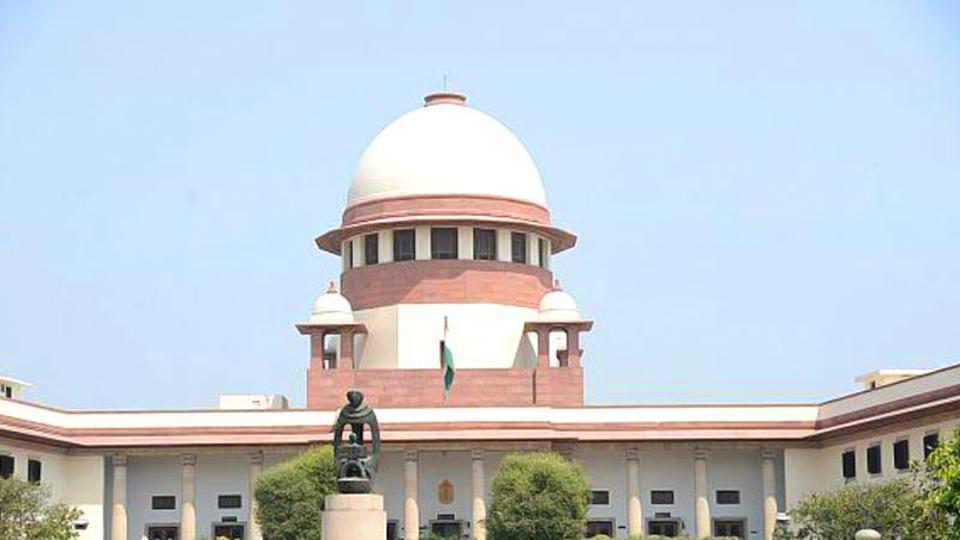
“It is a very serious issue. We expect you not to treat it as adversarial,” the bench, headed by Chief Justice of India (CJI) SA Bobde and also comprising justices AS Bopanna and V Ramasubramanian, told the counsel for the Centre and the Unique Identification Authority of India (UIDAI). UIDAI is the authority that issues Aadhaar cards.
The public interest litigation (PIL), filed by a woman from Jharkhand, has alleged starvation deaths following denial of food in the absence of ration card.
Appearing for petitioner Koili Devi, senior advocate Colin Gonsalves claimed that around three crore [30 million] ration cards of poor people were cancelled by authorities across the country as they were not linked with Aadhaar cards and the petitioner’s 13-year-old girl died of starvation in September 2017 after they were denied ration.
Representing the UIDAI and the Centre, additional solicitor general (ASG) Aman Lekhi opposed the plea and stated that the PIL was based only on newspaper reports and that there were no reliable statistics adduced by Gonsalves to corroborate his contentions.
Also Read | ‘Old consumer cases won’t be transferred,’ says Supreme Court
“There is a grievance redressal system under the Food Security Act. This court has already sought responses from the state governments on this. The plea, as being pressed, is completely misconceived because there is an absolute clarity that if Aadhaar is not available, alternative documents can be submitted. We have clearly said Aadhaar or no Aadhaar, it will not deny right to food,” said Lekhi.
Attorney General KK Venugopal, also appearing for the Centre, supported Lekhi’s arguments.
After hearing the counsel, the court said it would hear the PIL in detail after three weeks.
In November 2019, the court had called upon all states to apprise it of steps taken by them to put in place the grievance redressal mechanism, as provided under the National Food Security Act. Venugopal had then cited Sections 14, 15, 16 and 40 of the Act that mandate every state government to have internal grievance redressal mechanism and nodal officers for effective and expeditious redressal of food grievance.
During a hearing on February 24 last year, the Centre had denied allegations of starvation deaths in Jharkhand and arbitrary cancellation of ration cards across the country, pointing out the cancellation between 2013 to 2016 pertained to ‘ghost’ ration cards. Venugopal had said that the statistics referred to in the petition were completely wrong and that the Centre was ready to prove the averments as incorrect.



