
 E-Paper



CAQM cites pollution, asks SC to review relief for end-of-life vehicle owners
The court in August effectively stayed the implementation of its October 2018 order, which affirmed a 2014 NGT judgment seeking to keep polluting vehicles off the roads

 Prefer HTon Google


The Commission for Air Quality Management (CAQM) in the National Capital Region (NCR) and Adjoining Areas has cited noxious air and asked the Supreme Court to review its August 12 direction for no coercive action against those driving 10-year-old diesel and 15-year-old petrol vehicles in Delhi.
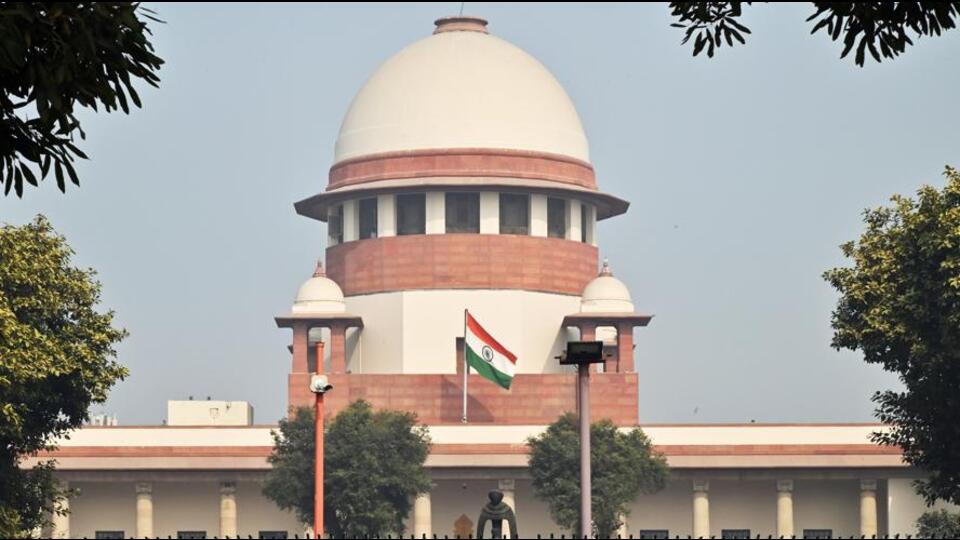
The court in August effectively stayed the implementation of its October 2018 order, which affirmed a 2014 National Green Tribunal (NGT) judgment seeking to keep polluting vehicles off the roads to combat the noxious air.
In its latest report to the court, the CAQM analysed the pollution load of vehicles with BS-III standards and below, compared with BS-VI. The CAQM recommended that the court review its order exempting BS-III and below vehicles from the relief granted on August 12. “For controlling vehicular emissions, BS-III and below standard vehicles are required to be kept out of purview of the order, dated August 12, 2025, of the Supreme Court, considering the emission potential of these vehicles in comparison to BS-VI emission standards.”
The commission said that such short-term measures are essential in the wake of the consistently poor air quality in the winter months. It proposed a long-term measure of imposing a higher environmental compensation charge than 1% currently on vehicles of the luxury segment, diesel cars, and SUVs of 2000 cc capacity and above.
The commission noted that vehicular pollution is one of the most significant contributors to the generally poor air quality in Delhi-NCR. It added that the use of end-of-life vehicles (ELV) has been a matter of concern.
The NGT passed a series of orders in 2014-2015 restricting EOL vehicles in NCR. Such vehicles in use were to be impounded as per the court order.
The CAQM said BS-III standard vehicles have been in use for over 15 years, BS-II for more than 20 years, and BS-I for over 24 years. It cited an extraordinary situation, especially during the winter season, due to poor pollutant dispersal on account of unfavourable meteorological conditions, and called for restricting the plying of polluting vehicles based on emission standards.
The CAQM said about 93% of the vehicles are light motor and two-wheelers. It added that they constitute the bulk of polluting vehicles.
A Chief Justice of India Surya Kant-led bench is expected to take up the CAQM report for hearing in the Delhi air pollution matter.
The 2014 and 2018 orders were never strictly enforced. The Bharatiya Janata Party, which came to power this year in Delhi and made pollution one of its campaign issues, sought to do so this July by denying fuel to overage vehicles but faced pushback.
On July 25, the Delhi government challenged the ban as unscientific and said a vehicle’s fitness should be based on its emission level, and not age.


