The Union government has directed states to prioritise beneficiaries due for their second Coronavirus disease (Covid-19) vaccine dose, amidst reports of difficulties faced by those unable to schedule a session for a second dose -- the result of a supply crunch.
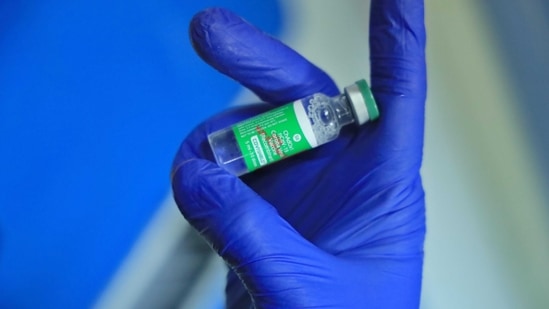
“Utilise supplies of vaccines through government of India channel in 70:30 ratio for the second dose and first dose respectively. Regular review of coverage of Covid-19 vaccination drive to be undertaken to formulate and implement strategy for such prioritization,” said Arti Ahuja, additional secretary, health, in the customary Covid briefing.
Vaccine doses provided through the government of India channel are to be used exclusively for those above the age of 45 years and health care and front line workers. In addition, states have started sourcing their own supplies to vaccinate those between the ages of 18 and 45 years. But over the past few days, there have been several reports of people not being able to schedule their second doses -- recommended between 6 and 8 weeks in the case of the Covishield vaccine and 4 and 6 weeks in the case of Covaxin.
Interestingly, the guidance came even as there has been talk of the government extending the gap between doses to 12 weeks in the case of Covishield -- the vaccine administered to over 90% of Indians -- so as to maximise the number of people who receive at least one dose, an immediate priority to crush the ongoing second wave of the pandemic which has seen the last 2 million cases added in just six days.
{{/usCountry}}Interestingly, the guidance came even as there has been talk of the government extending the gap between doses to 12 weeks in the case of Covishield -- the vaccine administered to over 90% of Indians -- so as to maximise the number of people who receive at least one dose, an immediate priority to crush the ongoing second wave of the pandemic which has seen the last 2 million cases added in just six days.
{{/usCountry}}Also read | Covid-19: Centre issues SoP to vaccinate beggars, prison inmates without IDs
Research has show that the efficacy of the AstraZeneca/Oxford vaccine -- developed in India as Covishield by Serum Institute of India -- is the highest when there is a 12 week gap between doses.
Interestingly, days after a similar briefing in which the focus was on the inevitability of a third wave, officials said in Friday’s briefing that India could avoid one.
“If we take strong measures, the third wave may not happen in all the places or indeed anywhere at all. It depends much on how effectively the guidance is implemented at the local level, in the states, in districts and the cities everywhere,” said Prof K VijayRaghavan, principal scientific advisor, in the briefing.
For the past week, according to the HT dashboard, India has reported an average of 389,044 cases and 3,775 deaths a day. On Friday, the country reported 401,358 cases and 4192 deaths.
At least 12 states currently have at least 100,000 active Covid-19 cases. The disease positivity rate in some states such as Goa is nearing 50%. Four states have a positivity rate of 30% and above. At least 24 states and UTs currently have a positivity rate of 15% and above; nine states and UTs are reporting between 5 and 15%; and only three states and UTs have less than 5% positivity rate.
A total of 167 million vaccine doses have been administered across the country . This includes 34 million fully vaccinated people and 99 million who have received one dose. Of this, only 1.181 million of those between the ages of 18-44 have been vaccinated since the third phase of the vaccine drive began on May 1.
“Everyone should get vaccinated when they can; it will help in dealing with subsequent waves,” said Dr Giridhara R Babu, head, epidemiology, Indian Institute of Public Health.