
 E-Paper



Chinnaswamy stadium to get treated water supply for IPL match on Mar 25: Civic body
The treated water will be sourced from the sewage treatment plant (STP) situated in Cubbon Park. This directive comes in response to numerous establishments organising pool parties and rain dances despite the severe water scarcity

 Prefer HTon Google


Amid the city’s water shortage, Bangalore Water Supply and Sewerage Board (BWSSB) on Thursday assured an uninterrupted supply of treated water to the Chinnaswamy stadium , putting an end to uncertainties surrounding the cricket league’s fixtures just days away.
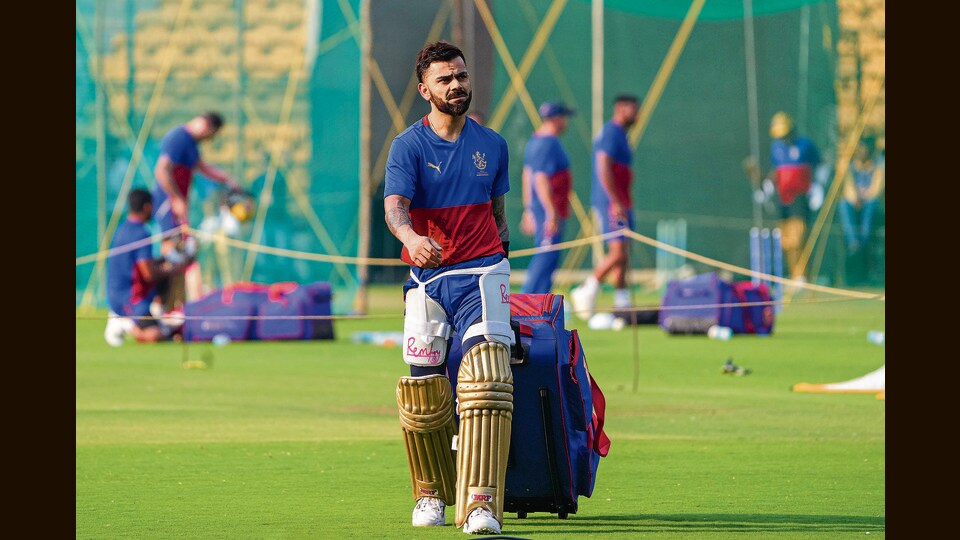
In a meeting on Wednesday, officials from the Karnataka state cricket association (KSCA) had asked BWSSB chairman Ramprasat Manohar for continuous water supply for the stadium. To address this, the civic body has said that the stadium will receive 75,000 litres of treated water during matches.
Manohar stated that they could allow the matches to proceed, given that the stadium is neither using Cauvery water nor borewell water, thus ensuring there is no misuse of water .“Considering that they have asked for treated water and we want to promote its use, we have approved their request,” he said.
The treated water will be sourced from the sewage treatment plant (STP) situated in Cubbon Park. Chinnaswamy stadium, with a seating capacity for 32,000 spectators, is gearing up to host the city’s inaugural IPL match on March 25, featuring Royal Challengers Bangalore against Punjab Kings, followed by subsequent matches on March 29 and April 2.
This directive comes in response to numerous establishments organising pool parties and rain dances despite the severe water scarcity. Following the publication of this order, many hotels promptly removed ‘rain dance’ from their promotional materials.
In addition to this ban, BWSSB has mandated the installation of aerators in taps used by bulk consumers by the month’s end. This decision follows a series of restrictions imposed by the agency, prohibiting the use of potable water for activities like car washing, construction, gardening, and filling fountains and swimming pools.
Karnataka chief minister Siddaramaiah on Monday said Bengaluru is facing a shortage of about 500 million litres of water per day (MLD) against the requirement of 2,600 MLDs and officials have been directed to meet daily and draw up an action plan to tackle the water scarcity. According to the CM, 1,470 MLD water comes from Cauvery river and 650 MLD is sourced from borewells.
“There are 14,000 borewells in Bengaluru, of which 6,900 have dried. Meanwhile, water bodies have been encroached or died. Bengaluru needs 2,600 MLD water. Out of this 1,470 MLD comes from Cauvery river and 650 MLD from borewells. We have a shortage of about 500 MLD,” the chief minister told reporters after a meeting with the officials of the civic agencies and irrigation department.


