
 E-Paper



CJI holds meet with Gujarat, Telangana lawyers on transfer of judges
The CJI met the delegations representing the Gujarat High Court Advocates’ Association (GHCAA) and the Telangana High Court Advocates’ Association (THCAA) during the day, and assured the lawyers’ bodies of looking into their objections against the proposed transfers.


New Delhi Chief Justice of India (CJI) Dhananjaya Y Chandrachud on Monday reached out to the lawyers from high courts of Gujarat and Telangana who are protesting against the Supreme Court’s decision last week to transfer one judge each from these high courts.
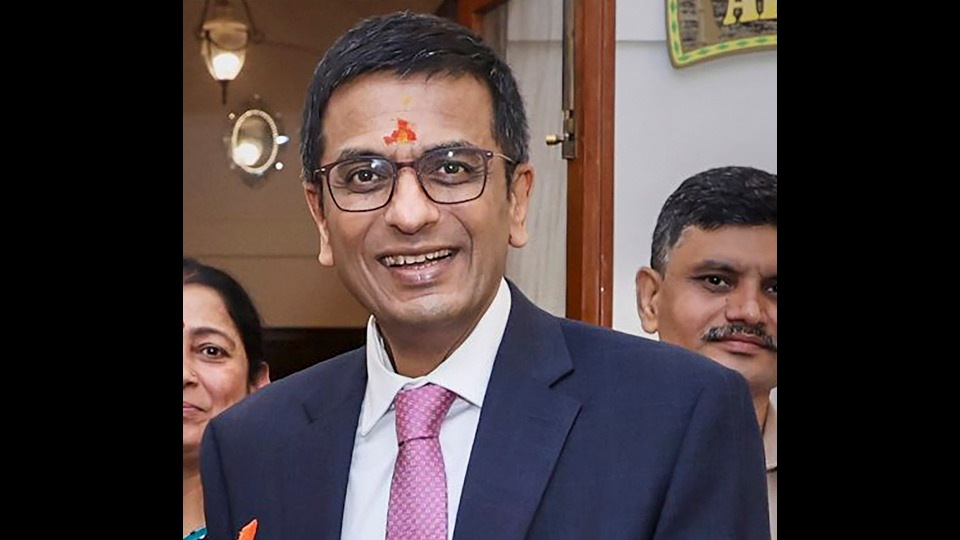
The CJI, accompanied by two other senior Supreme Court judges -- justices Sanjay Kishan Kaul and MR Shah – met the delegations representing the Gujarat High Court Advocates’ Association (GHCAA) and the Telangana High Court Advocates’ Association (THCAA) during the day, and assured the lawyers’ bodies of looking into their objections against the proposed transfers.
At the same time, CJI Chandrachud “strongly” conveyed to the delegations that the lawyers should call off their strikes immediately and facilitate regular functioning of the courts in the wake of the deliberation with the judges and the assurance rendered.
While the Gujarat high court lawyers are yet to decide on the future course of action, the Telangana high court lawyers decided to end their strike and resume work following their meeting.
“We have been boycotting the courts to oppose the transfer but after the meeting with the honourable CJI, we have decided to resume work. But the protests will go on. Lawyers will assemble at the gates of the high court building tomorrow morning to register their grievances,” P Krishna Reddy, vice-president of the THCAA said.
Meanwhile, on Monday evening, a September 29 resolution of the Supreme Court collegium, recommending the transfer of another Gujarat high court judge, Vipul Manubhai Pancholi, to the Patna High Court, was released. At that time, justice Uday Umesh Lalit headed the collegium as the CJI.
“The body will meet tomorrow morning to decide on ending the strike. However, one more resolution for transfer of another judge of the Gujarat high court has been released in the evening. We will discuss that one too,” advocate Hardik Brahmbhatt, GHCAA Secretary, said.
Justice Chandrachud, who headed his first collegium meeting on November 16 after taking the helm a week ago, decided to transfer three high court judges, one each from high courts of Madras, Gujarat and Telangana, for administrative reasons. The collegium initiated the process of transfer for Madras high court acting chief justice T Raja, Telangana high court judge A Abhishek Reddy and Gujarat high court judge Nikhil S Kariel. While justice Raja is proposed to be transferred to the Rajasthan high court, the other two judges were recommended for transfer to the Patna high court,
The move, however, triggered protests from high court lawyers from these states, and several bodies resolved to strike work.
On Saturday, the CJI underscored that the collegium takes administrative decisions keeping in view the “national perspective”, and added that advocates’ strikes make “consumers of justice suffer”.
Speaking at the felicitation function organised by the Bar Council of India (BCI), justice Chandrachud said: “It is important for members of the bar to realise that so very often when we take decisions in administrative capacity, we are looking at things in national perspective...Of course, always question those in authority but you must also always learn to trust those in authority to the extent that they have best welfare of them at their heart and for that they have to take tough decisions.”
He added at the time: “When lawyers strike, who suffers? The consumer of justice, for whom we exist, suffers and not the judges, not the lawyers...Possibly lawyers too since after a few days fee would stop, but greatest sufferer is the consumer of justice.”


