E-Paper



CJI Kant calls for balanced judicial reforms, cautions against overreliance on tech
Chief Justice of India (CJI) Surya Kant was speaking at an Orissa High Court Bar Association symposium

 Prefer HTon Google


Bhubaneswar: Chief Justice of India (CJI) Surya Kant on Sunday called for a balanced approach to judicial reforms, saying that while digital innovation can help speed up legal processes, it cannot replace the human element essential to delivering justice.
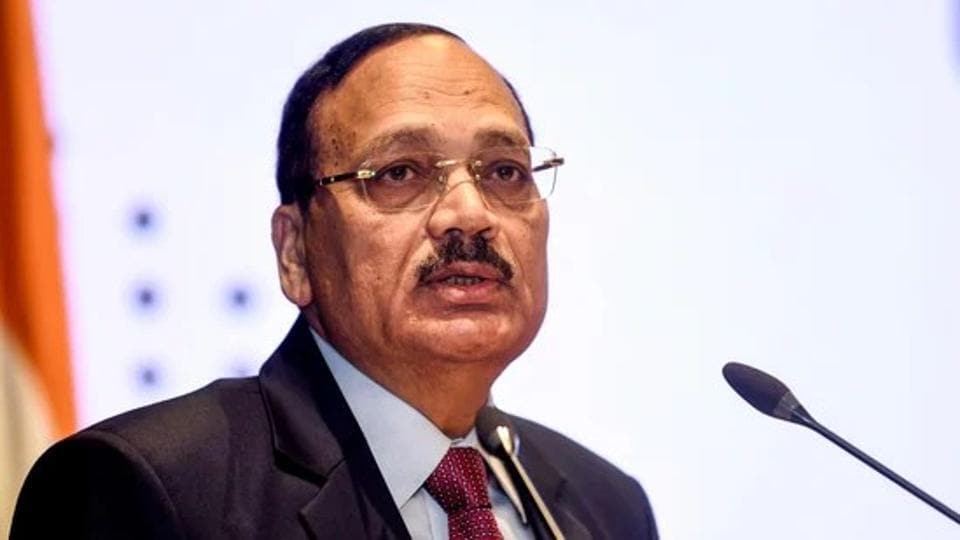
Speaking at an Orissa High Court Bar Association symposium focused on making justice accessible to ordinary citizens, CJI Kant identified litigation expenses and protracted court proceedings as the primary barriers preventing common people from seeking redress.
He described the “accumulation of unresolved cases” as a “system-wide malaise” rather than “isolated statistics”. “When constitutional courts face congestion, trial courts below bear the brunt of mounting pressure,” he said.
He said that resolving such cases at the apex level would restore certainty throughout the judicial framework, benefiting lower courts and litigants alike.
Acknowledging that virtual hearings and electronic filing systems proved invaluable during the pandemic, Kant cautioned against “wholesale dependence” on technology.
He pointed to emerging threats such as digital manipulation and online fraud as reasons for measured optimism. “Any transformation that marginalises the economically disadvantaged, senior citizens, or those unfamiliar with digital platforms cannot be termed progress — it represents a step backward,” the CJI added.
The Chief Justice endorsed mediation and other alternative dispute resolution mechanisms, noting their success in family law, commercial disputes, and international conflicts. He urged government agencies to move beyond reflexive appeals driven by administrative apprehension.
Legal practitioners, he said, must recognise that negotiated settlements represent professional service rather than professional defeat.
The CJI also discouraged forum shopping by affluent litigants, stressing that jurisdictional propriety must be maintained.
Describing adequate court facilities as essential investments rather than discretionary spending, Justice Kant called for the establishment of specialised tribunals to handle complex criminal matters within defined timelines.
Drawing from his litigation practice, the CJI recalled witnessing an elderly farmer enduring lengthy waits for hearings scheduled late in the day. “For such individuals, delay strips away dignity far beyond any financial calculation,” he said.
The Chief Justice concluded by comparing the justice delivery system to a four-wheeled vehicle requiring synchronised movement from the judiciary, legal profession, administration, and citizenry. “Dysfunction in any component halts the entire journey toward equitable and prompt justice,” he said.