Several states across the country reeled under long power cuts, as hotter-than-normal temperatures pushed the electricity demand, triggering a major power crisis. According to a report by Reuters, electricity supply fell short of demand by 1.88 billion units, or 1.6%, during the first 27 days of April.
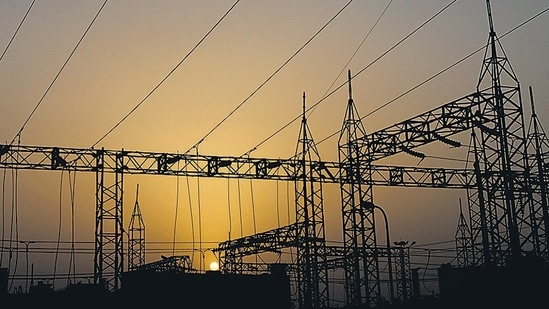
This electricity shortage is the worst in more than six decades and some states have faced power cuts as long as eight hours.
In view of the shortage of coal, a dominant fuel used to generate electricity in the country, the government halted hundreds of passenger trains. Meanwhile, state-run Coal India ramped up coal production by 27.2% in April.
Here is a list of states facing power cuts:
Delhi
The power demand in the national capital crossed the 6,000 megawatts (MW) per day mark for the first time in April as the city government raised alarms over shortage of coal. On Thursday, the Delhi government said its coal supplies were depleting with Dadri-II having a day’s coal stock left; Unchahar two days; Kahalgaon three-and-a-half days, Farakka five days, and Jhajjar around seven or eight days.
Uttarakhand
{{/usCountry}}Uttarakhand
{{/usCountry}}The state is also no exception to long power cuts as Uttarakhand Power Corporation Ltd MD Anil Kumar attributed the acute shortage to a rise in demand caused. He also blamed the closure of a gas-driven power plant in Kashipur in Udham Singh Nagar district for the electricity shortage.
Uttar Pradesh
UP has a 3,000 MW deficit against the demand of around 23,000 MW. According to reports by news agencies, the supply is just 20,000 MW, resulting in long power cuts in the rural areas.
Andhra Pradesh
According to a report by PTI, the southern state is facing a shortfall of about 50 million units of power as against the demand, which is touching 210 million units a day. According to the state energy secretary B Sridhar, the current crisis, which was a nation-wide phenomenon, might ease by this week.
Bihar
Bihar too is witnessing frequent power cuts in rural as well as urban areas. According to the state's energy department, Bihar is facing a power deficit of 200-300 MegaWatts (MW) per day because of the sudden increase in demand. The state’s consumption is around 6,000 MW per day and the availability of power from different sources is 5,000 to 5,200 MW only.
Punjab
In Punjab, Ludhiana, Patiala and Mohali are the worst hit by the long power cuts issue as the maximum demand for power reached above 8,000 MW in the state.
Rajasthan
In Rajasthan, the electricity demand has increased 31 per cent, leading to power cuts of 5 to 7 hours a day. Meanwhile, rural areas are facing more power cuts than in urban areas.
Kerala
The Kerala State Electricity Board has decided to impose a power cut since Friday after the coal production decreased by 400 MW.
Jharkhand
Long hours of a power outage for the past several days have thrown daily life and local businesses out of gear. On Friday, Jharkhand chief minister Hemant Soren admitted that the state has not been able to meet the peak demand. He also informed that the state government is using additional funds to procure electricity from the market.
Haryana
State chief minister Manohar Lal Khattar has assured that the problem of power cuts will be resolved soon as the state government decided to import coal for the first time in a decade.