
 E-Paper



Supreme Court order strengthens Speaker’s authority in anti-defection law cases
The Constitution bench verdict on Thursday in the Maharashtra political crisis case seems to strengthen the hands of the speaker in deciding disqualification petitions under the anti-defection law.

 Prefer HTon Google


The Constitution bench verdict on Thursday in the Maharashtra political crisis case seems to strengthen the hands of the speaker in deciding disqualification petitions under the anti-defection law, effectively suspending the operation of a 2016 judgment that deprived presiding officers of legislatures of their authority when motions seeking their own removal are pending.
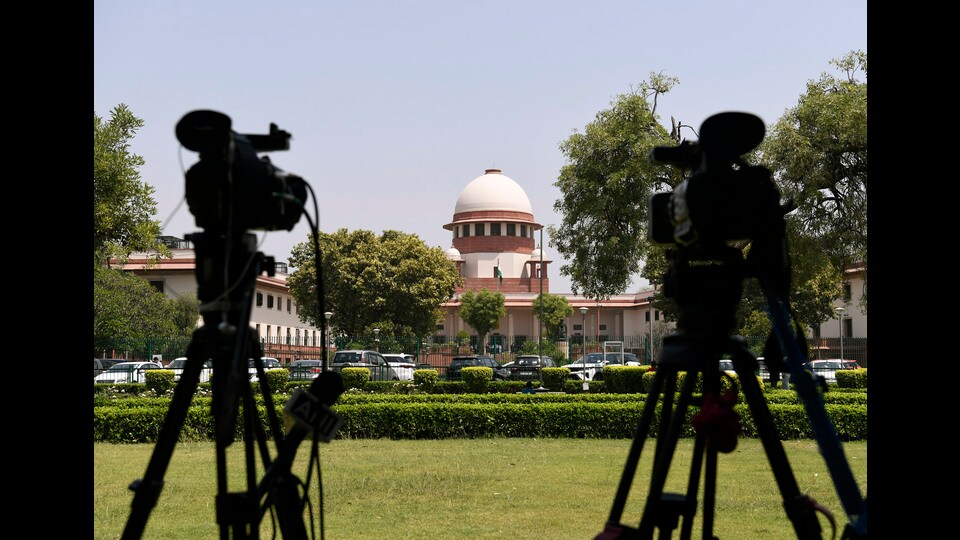
The bench, headed by Chief Justice of India Dhananjaya Y Chandrachud, not only referred the 2016 judgment in the Nebam Rabia (the Arunachal Pradesh disqualification ) case to a seven-judge bench, but also laid down an interim mechanism that empowers the speaker more until the larger bench decides on the issue.
Prescribing a procedure that it said would give “some amount of clarity and certainty”, the bench said that by virtue of the exclusive power given to the speakers under the Tenth Schedule (the anti-defection law), they will be the authority to also decide whether to go ahead with a disqualification petition or not.
“The investiture of exclusive adjudicatory jurisdiction upon the Speaker to determine the complaints under the Tenth Schedule will entitle the speaker to rule upon and decide applications questioning their jurisdiction,” said the bench, which also included justices MR Shah, Krishna Murari, Hima Kohli and PS Narasimha.
According to the bench, speakers are entitled to rule on applications which require them to refrain from adjudicating proceedings under the Tenth Schedule on the ground of initiation of a motion for their removal under Article 179(c). “A speaker can examine if the application is bona fide or intended only to evade adjudication,” it declared.
The court added that it is for the speaker to adjudge if the motion is valid and reasonable. “If the speaker believes that the motion is well founded, they may adjourn the proceedings under the Tenth Schedule till the decision for their removal is concluded. On the other hand, if they believe that the motion is not as per the procedure contemplated under the Constitution, read with the relevant rules, they are entitled to reject the plea and proceed with the hearing,” it directed.
Any decision taken by the speaker, the Constitution bench added, will be amenable to judicial review – although this is a statement of a legal position that exists even today.
“The decision of the speaker, either to adjourn the proceedings under the Tenth Schedule in view of the pending proceedings under Article 179(c) or to proceed with the hearing will be subject to judicial review,” it said.
Going a step ahead, the bench further declared that since the decision of the speaker relates to their jurisdiction, the bar of a “quia timet” action, will not apply and that there cannot be an injunction against the speaker from deciding a disqualification petition. The doctrine of “quia timet” applies in cases where a party seeks an injunction against an apprehended act.
The Constitution bench on Thursday relied on the 1992 judgment in Kihoto Hollan case which held that the speaker cannot be restrained from making a decision on the ground of imminent apprehended danger which will be irreparable in the sense that if the speaker proceeds to decide that the person be disqualified, he would incur the penalty of forfeiting his membership of the House for a long period.
NEEDS BOILER PLATE ON NEBAM REPIA



