The union government on Saturday clarified that transactions via UPI will remain free and attract no charges, after the passing of the Payment and Settlement Systems Act, 2007 in Lok Sabha earlier this week.
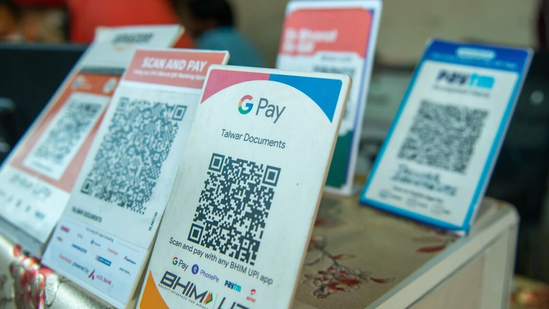
Earlier reports had suggested that the Bill would allow the government to permit banks and payment companies to charge fees on UPI and other digital payments in the future.
However, in a press release, the Centre has now stated that a vast majority of transactions would remain free of charge for customers as well as merchants. However, it said that nominal charges may apply on certain limited merchant transactions.
“Consumers making payments will not face any transaction charges,” the government said, adding that all person-to-person (P2P) transactions would continue free of charge. “As and when MDR charges are introduced, they will apply only to a limited set of merchant transactions, above a certain threshold, at a nominal rate, far lower than debit or credit card MDRs,” it added.
Also Read | UPI kardo: From mandir to baraat, there’s a QR code for everything in India
{{/usCountry}}Also Read | UPI kardo: From mandir to baraat, there’s a QR code for everything in India
{{/usCountry}}The merchant discount rate (MDR) is the fee charged on a digital/ card payment made to a merchant. The MDR has been zero for UPI transactions till now, meaning merchants do not generally pay a transaction fee for accepting UPI payments.
The government asserted that while a vast majority of payments will be free of charge, MDR, if introduced, would only be threshold based and “not blanketly levied to all.”
“Once the Parliament passes the Taxation and Other Laws (Amendment) Bill, 2026, which proposes to amend Section 10A of the Payment and Settlement Systems Act, 2007, the “UPI and Services Steering Committee” headed by NPCI will decide on the MDR, if any,” the government further stated.
‘Completely false and misleading’: Govt refutes reports of ‘external pressure’
The government further dismissed reports suggesting that “external pressure” might have been a contributing factor for the amendment to the Payment and Settlement Systems Act, calling them “misleading.”
“This is unfounded, completely false and misleading. If external pressure had been a factor, the government would not have introduced UPI in 2016 or made it free of charge for both merchants as well as citizens since January 2020 and ensured that it became the world’s largest real time interoperable payment system,” the Centre said.
It said that the amendment should be viewed in the context of the union government's “broader objective of ensuring that India's digital payment infrastructure remains sustainable, competitive, innovative and capable of serving the country's rapidly expanding digital economy."