
 E-Paper



Can banks charge for UPI payments now? Here is what we know
The Bill gives the government the power to permit charges on notified electronic payment systems, including UPI, if it decides to do so in the future.

 Prefer HTon Google


The Lok Sabha on Thursday passed a Bill to amend the Payment and Settlement Systems Act, 2007. Even if passed by the Rajya Sabha and approved by the President, the law will apply only to a limited set of transactions and will not affect regular UPI payments.
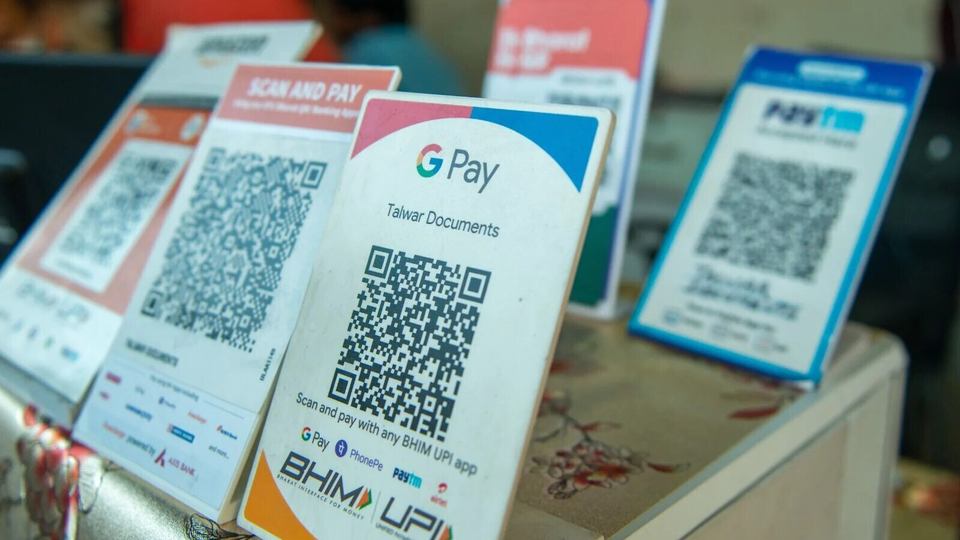
It will not change anything for existing UPI users. No charges will be levied on person-to-person UPI transactions. The Merchant Discount Rate (MDR), if and when applicable, will apply only to a limited set of merchant transactions above a certain threshold and at a nominal rate, far lower than the MDRs charged on debit or credit card transactions.
The Bill removes the existing provision that prevents banks and payment service providers from charging a Merchant Discount Rate (MDR) on UPI transactions.
ALSO READ | Big change in UPI policy? Payments above ₹2,000 may carry a fee. What we know
What is MDR?
MDR is a small fee paid by merchants to banks and payment companies every time a customer makes a digital payment. For example, when a customer pays a shopkeeper through a digital payment system, the merchant may pay a small processing fee to the payment provider.
UPI payments have remained free from MDR charges since 2020 to encourage digital payments and reduce cash usage.
How UPI works
UPI, short for Unified Payments Interface, allows people to transfer money instantly from one bank account to another using a mobile phone.
It has become India’s most popular digital payment method and is used by millions of people every day for shopping, bill payments and money transfers.
Will UPI users have to pay transaction charges?
The Payments Council of India (PCI) said that the proposed amendment does not mean users will have to pay to make UPI payments.
"UPI has always been free for consumers since its launch in 2016. Every Indian can continue making instant digital payments without paying any transaction charges," PCI said.
The industry body added that any merchant service charges, if introduced, would be commercial arrangements between merchants and payment service providers and would not directly translate into consumer charges.
Will small shopkeepers/kirana stores be charged?
Small merchants and kirana stores will continue to be protected, PCI said.
The council said UPI was created to make digital payments easy and affordable for businesses of all sizes, including small shop owners.
ALSO READ | UPI kardo: From mandir to baraat, there’s a QR code for everything in India
Why the government is considering MDR
UPI has grown into the world’s largest real-time payment system. It handles billions of transactions every month. Running such a large digital network requires continuous spending on technology, cybersecurity, fraud prevention and customer support.
Banks, fintech companies, the National Payments Corporation of India (NPCI) and the Reserve Bank of India (RBI) currently bears these costs.
Payment companies have said that allowing MDR could help them invest more in improving the UPI system.
Possible impact of MDR revival
Global brokerage firm Bernstein, in a July 28 note, said consumers were unlikely to bear the cost even if MDR is introduced for UPI transactions, Bloomberg reported.
It estimated that a merchant-funded MDR of around 30-40 basis points could be a possible outcome if the government permits such charges.
Globally, merchant service fees are a common feature of digital payment ecosystems, where businesses pay payment providers for transaction processing while consumers continue to access digital payments conveniently.
ALSO READ | Mumbai man flags how UPI AutoPay mandates quietly drain money: 'Most people never notice a ₹79 deduction'
What happens next?
The Bill only gives the government the power to allow charges. A final decision on whether MDR will be introduced for UPI, and how much it could be, has not been taken yet.


