Nearly a decade of gains in improving global life expectancy was lost due to the Covid-19 pandemic, the World Health Organization said in a report on Friday, pegging the average age that a person is expected to live at 71.4 years, the lowest since 2012.
Between 2019 and 2021, global life expectancy fell by 1.8 years to 71.4 years, while healthy life expectancy declined by 1.5 years to 61.9 years, the WHO’s World Health Statistics report found. The Americas and Southeast Asia regions were hit hardest, with life expectancy dropping by about 3 years.
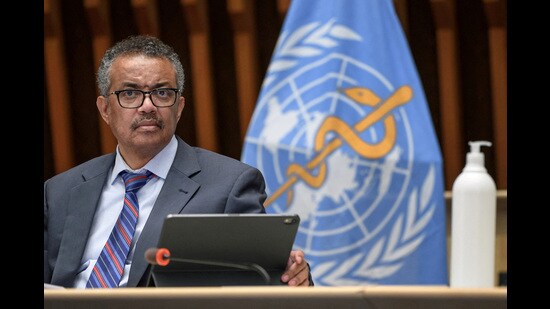
“In just two years, the Covid-19 pandemic erased a decade of gains in life expectancy,” said WHO Director-General Tedros Adhanom Ghebreyesus. He noted the importance of a new Pandemic Agreement “not only to strengthen global health security, but to protect long-term investments in health and promote equity”.
Covid-19 emerged as a top cause of death, ranking third globally in 2020 and second in 2021, claiming nearly 13 million lives. The WHO report also mentions that non-communicable diseases (NCDs) such as ischaemic heart disease and stroke, cancers, chronic obstructive pulmonary disease, Alzheimer’s disease and other dementias, and diabetes were the biggest killers before the pandemic, responsible for 74% of all deaths in 2019. Even during the pandemic, NCDs continued to account for 78% of non-COVID deaths.
The report highlighted concerning trends in malnutrition and obesity. In 2022, over 1 billion people aged 5 and up had obesity, while more than half a billion were underweight. Among children under 5, 148 million faced stunting, 45 million wasting, and 37 million were overweight.
{{/usCountry}}The report highlighted concerning trends in malnutrition and obesity. In 2022, over 1 billion people aged 5 and up had obesity, while more than half a billion were underweight. Among children under 5, 148 million faced stunting, 45 million wasting, and 37 million were overweight.
{{/usCountry}}Refugees, migrants and the 1.3 billion people living with disabilities faced disproportionate health inequities, the report said, urging health systems to adapt.
Access to healthcare for refugees and migrants remains limited, with only half of the 84 countries surveyed between 2018 and 2021 providing government-funded health services to these groups at levels comparable to their citizens.
Despite setbacks due to the pandemic, some progress was made toward WHO’s Triple Billion targets and health-related Sustainable Development Goals, but not enough. Since 2018, 1.5 billion more people achieved better health and well-being, while universal health coverage expanded to 585 million more. However, only 777 million more are likely to have adequate protection during health emergencies by 2025.
“Without accelerating progress, it is unlikely that any of the health SDGs will be met by 2030,” said Samira Asma, WHO assistant director-general for data, analytics and delivery for impact.