
 E-Paper



Criminals now using cigarette paper to make fake notes
Criminal syndicates have also both industrial and stamp paper to make fake notes.

 Prefer HTon Google


Bangladesh-based criminal syndicates involved in manufacturing fake Indian currency notes (FICN), are suspected to have started cigarette paper the consistency of which matches with that of bank notes, senior Border Security Force officials (BSF) said.
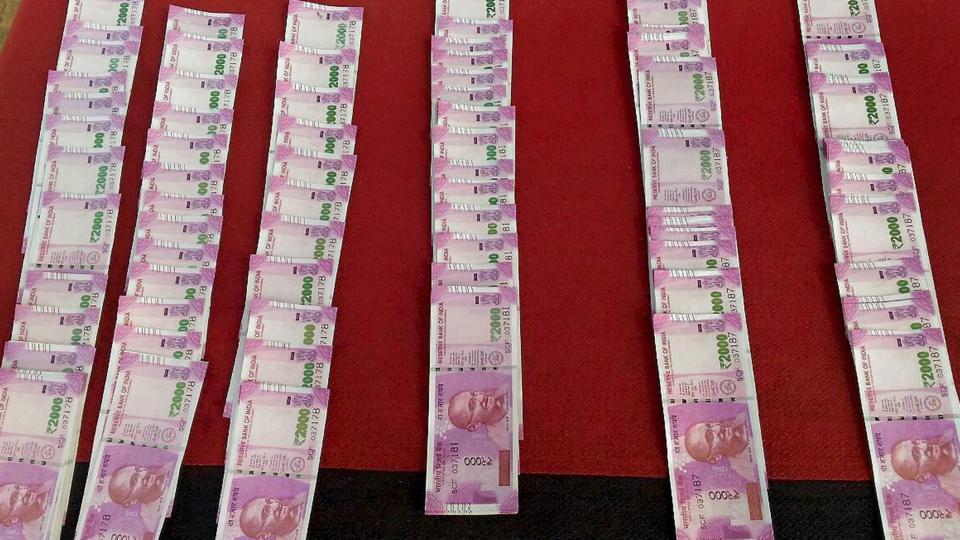
Security forces who seized FICN during a raid in Malda in West Bengal late last month, were taken by surprise at the consistency of the seized notes. Officials did not disclose the face value of the fake currency.
According to senior BSF and Union home ministry officials, criminal syndicates in Bangladesh have been struggling to match the paper quality of new 500 and 2000 rupee notes with little success. The main challenge being the grammage and caliper thickness of the new notes.
The “cigarette paper”, while not exactly of the same consistency of the new 500 and 2000 note, comes closest to match to them if compared with the paper that FICN have been using after demonetisation.
The Bangladeshi syndicates are thought to be independent of Pakistan’s ISI which India accuses of running fake currency rackets to bleed the country’s economy.
“Intelligence, seizures and interrogation of some of the arrested members of the FICN networks suggest the syndicates have used both industrial and stamp paper to make fake notes. We had inputs that paper imported from Malaysia and Saudi Arabia was also being tested to fabricate India currency. However none of the paper matched the exact consistency of the new 500 and 2000-rupee note,” a BSF official told HT.
Officials explained that currency notes in India are prepared using a material called rag, a cotton product only sold to sovereign governments.
“There are 16 main features of an Indian currency note, four of which are invisible to the naked eye. The FICN networks had illegal access to the material and had mastered the art of replicating Indian currency. All that changed after demonetisation. No currency seized by security or police forces indicate usage of rag,” said an official posted at the Indo-Bangladesh border.
“Till 2014, quality of the 500 and 1000 rupee fake notes coming out of Bangladesh had improved as FICN networks had cracked most of the security features. The 2015 modifications to notes introduced by RBI was the first blow to FICN networks but once the old currency was taken out of circulation, FICN network suffered an irreversible hit,” said the BSF official adding that the paper seized from Malda is latest addition to experiments carried out by FICN networks. The official, however, added that the Malda seizure is not being seen as a trend as of now.
“The notes were confiscated by West Bengal police and will now undergo a chemical analysis,” said another BSF officer.
In February, the Union home ministry informed Parliament that FICN of face value Rs 21.54 crore was seized by security agencies after demonetisation of Rs 1,000 and Rs 500 notes.


