E-Paper



Dehradun air quality slips to ‘poor’ as AQI touches 294, PM2.5 dominant pollutant
While Delhi has long been synonymous with pollution spikes, Dehradun’s worsening air quality has raised concern among residents and environmental experts


Dehradun: The air quality in Dehradun deteriorated to the ‘poor’ category on Wednesday, placing the capital of Uttarakhand among the polluted cities in the country.
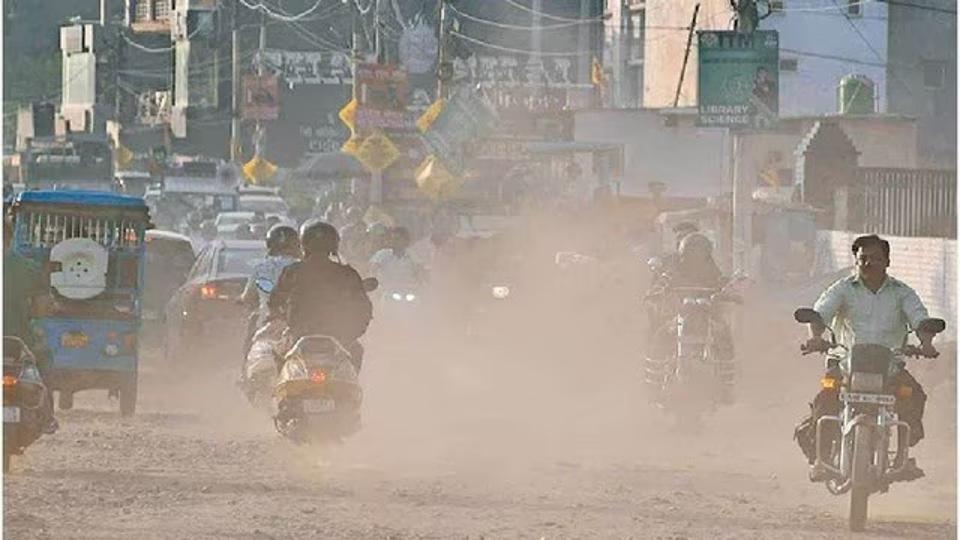
Dehradun recorded an Air Quality Index (AQI) of 294, with fine particulate matter (PM2.5) identified as the dominant pollutant, according to the Central Pollution Control Board’s (CPCB) bulletin released at 4 pm on Wednesday.
The CPCB classifies air as ‘good’ when AQI is 50 or lower; ‘satisfactory’ between 51 and 100; ‘moderate’ between 101 and 200; ‘poor’ between 201 and 300; ‘very poor’ between 301 and 400; and ‘severe’ when it exceeds 400.
While Delhi has long been synonymous with pollution spikes, Dehradun’s worsening air quality has raised concern among residents and environmental experts.
“Dehradun generally doesn’t report such high AQI. But this spike is primarily due to a combination of factors like wind conditions, low temperature and vehicular emissions,” Dehradun regional officer of the State Pollution Control Board, Amit Pokhriyal, said.
“With tourism inflow and vehicular movement expected to rise further during the holiday season, air quality levels may remain poor in the coming days. Cold air, high humidity and calm winds trap pollutants close to the ground, creating dense smog and leading to a spike in AQI,” the official said.
Environmentalists have repeatedly flagged the need for stricter control on construction dust and traffic emissions in Dehradun, particularly during winter.
Dehradun-based social activist Anoop Nautiyal said, “An AQI near 300 is not just an environmental hazard; it is a clear social, economic and existential warning for Dehradun and its people. This moment marks a dangerous turning point that threatens the city’s health, livability and identity. The silence from the political establishment and the highest levels of the state bureaucracy is deeply deafening.”
“Solutions are possible and still within reach, but they require urgent leadership, urban planning, stronger public transport, protection of green spaces and strict enforcement of environmental norms. Dehradun must not go the Delhi way, and cosmetic assurances or denial will only deepen the crisis. With honesty and action, the cooperation of citizens, traders and communities can follow, but the initiative must start from the government,” Nautiyal, founder of the Social Development for Communities (SDC) Foundation, added.