Bangladesh's unrest has started spilling across borders, with the country suspending visa services for an indefinite period on Monday after a small group of protesters gathered near its high commission in New Delhi. India too has summoned Bangladesh’s envoy and conveyed strong objections over attacks on minorities and diplomatic missions.
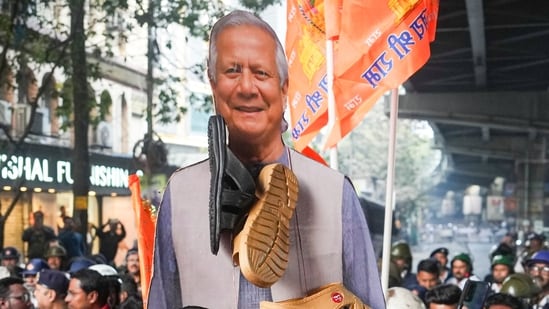
The fallout has also been visible on the streets of Kolkata, where large protests erupted outside the Bangladesh High Commission, fuelled by outrage over the lynching and burning of a Hindu man in Mymensingh and fears of growing Islamist mob violence next door. Track Bangladesh news live updates here
At the heart of the turmoil lies a grim chain of events: the brutal mob killing of a Hindu garment worker on unproven blasphemy allegations, the assassination of a radical youth leader who emerged from last year’s uprising, and a wave of protests that has turned increasingly violent.
Media houses have been attacked, journalists trapped in burning buildings, minorities have taken to the streets demanding protection, and political platforms that once supported the interim government are now threatening to bring it down.
Here are the 10 latest developments from the unrest in Bangladesh:
{{/usCountry}}Media houses have been attacked, journalists trapped in burning buildings, minorities have taken to the streets demanding protection, and political platforms that once supported the interim government are now threatening to bring it down.
Here are the 10 latest developments from the unrest in Bangladesh:
{{/usCountry}}Visa services suspended: Bangladesh has suspended visa services at its High Commission in New Delhi and missions in Tripura and Siliguri, citing security concerns after protests near diplomatic premises, people familiar with the matter said. India has responded by summoning Bangladesh’s envoy and registering strong objections over attacks on minorities and threats to diplomatic missions.
Anger spills onto Kolkata’s streets: Large protests erupted outside the Bangladesh High Commission in Kolkata, with demonstrators condemning the lynching of a Hindu man Dipu Chandra Das in Mymensingh. Protest leaders warned of further agitation, including border blockades, reflecting the depth of public anger in India.
Lynching of Dipu Chandra Das shocks the region: The killing of Hindu garment worker Dipu Chandra Das, beaten by a mob, dragged out of his factory, hung and set on fire, has become a symbol of the breakdown of law and order in Bangladesh. Police and Rapid Action Battalion (RAB) officials say the killing was not spontaneous and unfolded over several hours.
Blasphemy claim collapses under investigation: Authorities have found no evidence that Das made any blasphemous remarks or social media posts. Investigators now believe the allegation was vague, unverified and possibly used as a pretext, with a workplace dispute emerging as a potential trigger.
Factory officials among those arrested: At least 12 people have been arrested so far, including factory supervisors and co-workers. Investigators say Dipu was forced to resign and pushed out of the factory instead of being handed over to police - a delay that law enforcement says proved fatal.
Murder of Osman Hadi ignites nationwide unrest: The death of Osman Hadi, a key face of last year's July uprising against Sheikh Hasina, has triggered widespread protests across Bangladesh. Hadi was shot in Dhaka, airlifted to Singapore, and died days later, turning him into a rallying point for radical mobilisation.
Inquilab Mancho threatens to topple interim government: The protest platform Inquilab Mancho, led by Hadi's associates, has issued an ultimatum to the interim government, warning of a mass movement to oust it if justice is not delivered. The group has demanded a speedy trial tribunal and even foreign investigative assistance.
Media houses attacked, journalists trapped: Mobs on Monday vandalised and torched the offices of The Daily Star and Prothom Alo, trapping journalists inside for hours. Editors say the attacks were aimed at silencing the press, not protesting coverage.
Minorities protest as fear deepens: Hindu and other minority groups have staged demonstrations in Dhaka and elsewhere, accusing the interim government of failing to stop targeted violence. Rights groups warn that minorities feel increasingly unsafe since the fall of Sheikh Hasina’s government.
Yunus pushes election promise amid rising violence: Bangladesh chief Adviser Muhammad Yunus has reiterated that general elections will be held on February 12, saying the government is prepared to handle challenges. Critics, however, question whether free and peaceful polls are possible amid mob violence, assassinations and political instability.