
 E-Paper



Discovery of new animal, plant species from India dip due to Covid-19 pandemic
Even though on an average the BSI discovers around 350 plant species, starting from flowering plants to ferns, fungi and algae, this year this has come down to around 250, a BSI scientist said. Around 180 are new to science, while the rest have never been reported from India earlier.

 Prefer HTon Google


The Covid-19 pandemic has taken a toll on the discovery of new animal and plant species in India. The number of discoveries of plant and animal species, some of which are unknown to humans, by scientists of the Botanical Survey of India and Zoological Survey of India has dropped over the past one year.
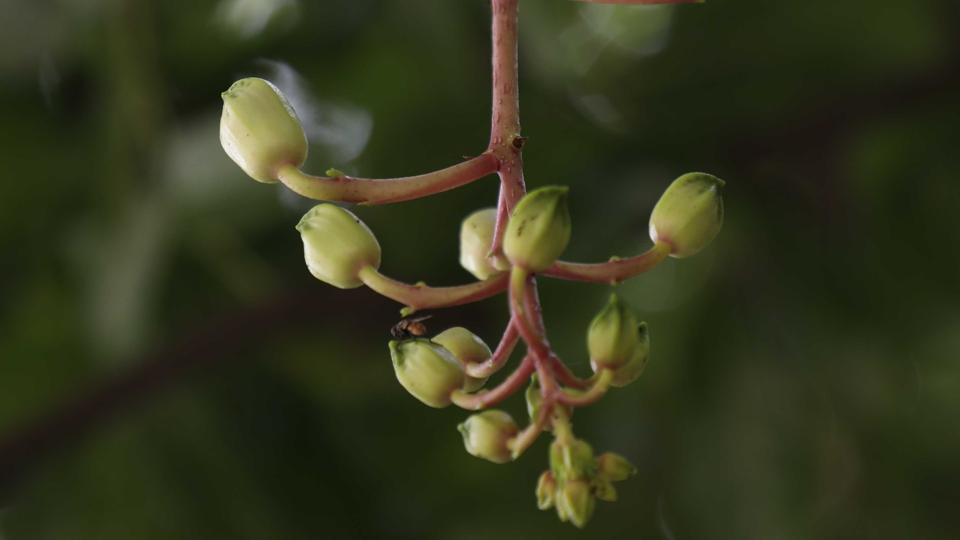
Scientists have not been able to travel to remote corners and biodiversity rich areas of the country because of the lockdown and travel restrictions imposed by various states. The budget has also been slashed.
“There has been a drop in the discovery of plant species this year due to the Covid-19 pandemic. Because of the pan-India lockdown, restriction on travel imposed by several states and the raging Coronavirus, scientists could not travel to remote areas. The budget has also been slashed for which field tours had to be curtailed,” said AA Mao, BSI director.
Even though on an average the BSI discovers around 350 plant species, starting from flowering plants to ferns, fungi and algae, this year this has come down to around 250, a BSI scientist said. Around 180 are new to science, while the rest have never been reported from India earlier.
Every year the ZSI and BSI, both headquartered in Kolkata, come up with annual publications listing the few hundred animal and plants that are discovered.
For new discoveries, scientists depend on field trips to remote and biodiversity-rich areas of the country such as Himalayas, Western Ghats and the Nicobar islands in Bay of Bengal among others. Samples are collected and brought back to the laboratories for analysis and identification.
“But over the past one-and-half-years such field surveys have virtually come to a halt. During this time ZSI scientists had to primarily depend on the samples, which they collected during earlier field trips. Not all samples which are collected can be analysed. They are kept in store. These were analysed this time and we came up with a few hundred new species,” said Dhriti Banerjee, ZSI director.
The ZSI, which discovers around 350 species on an average, came up with around 200 new findings this year. Most of them are new to mankind.
In 2020, ZSI reported at least 364 animal species which were unknown to humans while another 116 species of animals, which were earlier found elsewhere in the world but not recorded from India, were also discovered.
“We had taken a few one-day field trips but the long-duration trips which allow exploring remote areas in forests could not be undertaken because of travel restrictions. Also, some scientists got infected,” said a ZSI scientist.
Before publishing a research paper on identification of new species if there is any confusion the scientists re-visit the area from where the first sample was collected and try to collect a sample of the opposite sex to verify. As long trips could not be done some identification tasks got stuck midway.
Till date scientists have been able to identify 102,161 species of animals – starting from the one-celled protozoans to large animals such as elephants and tigers. This is around 6.52% of the global share. More than 50,000 species of plants have also been identified from the country.
“It was in March 2020 that I went for my last field trip to Mizoram and Arunachal Pradesh. I had come back just two days before the pan-India lockdown started. Over the past one year I focused mostly on laboratory work -- analysing old samples, studying literature, preparing herbarium and studying plants in the Botanic Garden,” said a senior scientist of the BSI.
Scientists from across the globe have managed to identify 1.8 million species till date which is only a small fraction of the estimated 30 to 50 million species thought to exist in the world. India ranks 8th in the world with its 1.02 lakh species
This year the publications are yet to be published. Officials in the ZSI and BSI said that they are likely to be published soon.


