During the Diwali shopping blitz, consumers may have splurged on account of pent-up demand but they paid higher prices due to shortages of common goods. Now the potential of inflation rising remains strong, analysts say as supply-side constraints fanning across the global economy exacerbate domestic shortages.
Indians spent a staggering ₹1.25 lakh crore on consumer goods during Diwali, according to the Confederation of All India Traders. But they faced a shortage of home appliances and electronics, which were priced higher by up to 12% compared to a year ago, according to data from the Consumer Electronics and Appliances Manufacturers Association.
A shortage of semiconductors, or the ubiquitous chip, has crippled the production of a range of goods--from cars, appliances, and mobile phones to television sets.
Chipmakers are struggling to make enough of the vital component and there are no quick fixes, analysts say. That could mean Indian factories and consumers are buckling up for higher costs, already evident during Diwali.
“Post-Diwali stocks are low and even during Diwali, stocks were not enough,” said Nilesh Gupta of electronics retailer Vijay Sales.
The supply of high-end mobile phones, including the iPhone, was especially low, he said.
{{/usCountry}}The supply of high-end mobile phones, including the iPhone, was especially low, he said.
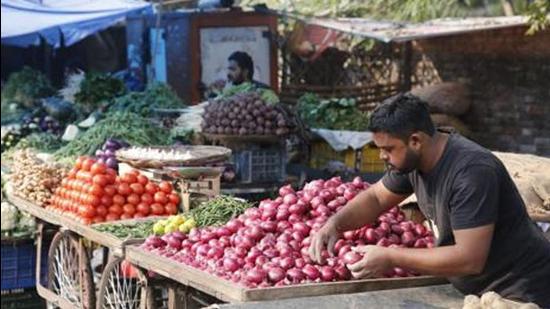
{{/usCountry}}India is also anticipating lower output of some primary food commodities, such as onion and tomatoes due to crop damage from extreme rainfall this summer.
Also Read| Inflation may fall below 8 pc: Rangarajan
The government has succeeded in fending off a surge in prices of onion, a volatile staple, by intervening in markets. Rains in recent months have damaged 15% of the country’s onion harvest, prompting the food ministry to release onions from a state-held stockpile beginning October, when prices rose.
The government has offloaded 1,11,376 tonnes of onions between October 10 and November 2 which cooled prices, for now, the latest official data show.
The government had a record reserve of 200,000 tonnes of onion to douse any inflation in the food item during the current lean season, which can impact the wider economy and households alike.
Edible oil prices remain elevated despite the government’s deep cuts to import tariffs and virtual abolishing of basic custom duties. India imports up to two-thirds of its edible oil demand. Average mustard oil prices were up 42% than a year ago on November 6.
However, the real upside risk to inflation lies in “imported inflation” due to the global supply-chain crisis, Ashok Agrawal, an analyst with Comtrade, a commodities trading firm, said.
The takeaway from the pandemic has been that as vaccination rates have gone up and economies opened, supplies could not keep up with demand.
The government has sought to halt the fuel price spiral by cutting excise duty on petrol by ₹5 and on diesel by ₹10. “However, a lot of manufacturers have already worked in higher fuel and transportation costs and prices are sticky,” Agrawal said. Even so, a further rise in crude oil, India’s highest-value import item, remains an inflation risk.
Inflation has been falling in recent months, but average price rise during and following the peak pandemic has been higher and more broad-based than in previous years, according to the Reserve Bank’s data.
Three components of inflation — food, fuel, and core inflation ie price in all items minus food and fuel — have moved divergently. Food inflation fell significantly from above 5% at the start of the current financial year to 0.7% in September. During the same period, fuel inflation rose from 8% to 13.6%. Core inflation, which doesn’t include volatile items such as food and fuel, remained sticky near 6%.
“When compared to developed economies, inflation in Asia has remained relatively benign so far -- is this about to change?” wrote Sonal Varma, an analyst with Nomura in a November 5 Asia research note.
According to Nomura, broad-based price rise across coal, gas, and oil prices will have the largest impact on countries with limited fiscal subsidies and higher shares of energy and transport in the consumer price index basket such as India.