
 E-Paper



Ecostani: RTI faces its toughest period as it completes 20 years
Close to 30,000 appeals are pending before the CIC and it now takes at least a year for an appeal to be heard for the first time.

 Prefer HTon Google


October 12 marks 20 years of implementation of the Right to Information (RTI) Act, the only law that empowers citizens to access official information. The decadal anniversary comes at the time when the law is facing its worst existential challenges.
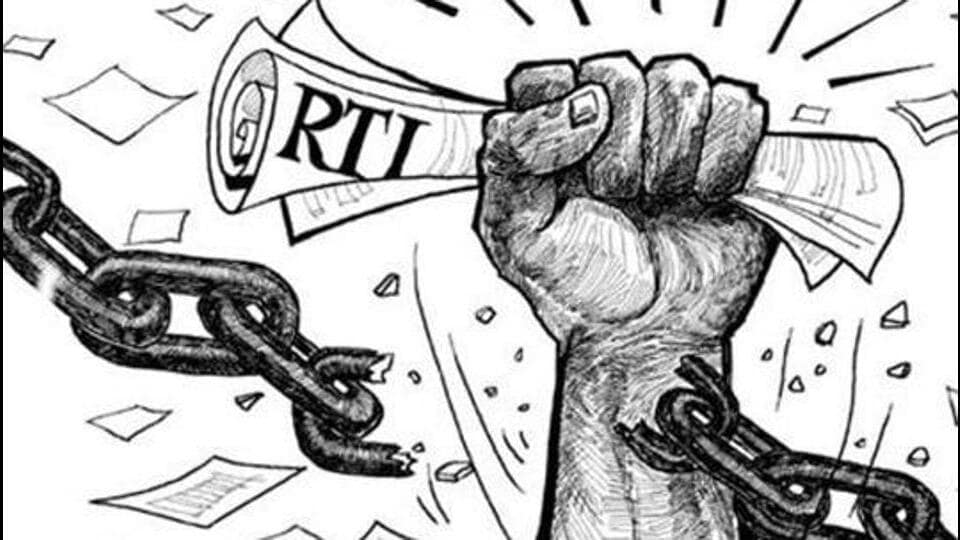
It is not only because of the amendment to the RTI Act through Digital Personal Data Protection (DPDP) Act that prohibits providing of “personal” information, the bigger danger is the governments’ seemingly non-serious approach in implementing the law in letter and spirit. That has become clear from a large number of posts lying vacant in the information commissions.
Of the 10 posts of information commissioners in the Central Information Commissioner (CIC), eight are lying vacant. The CIC is empowered to hear the appeals filed against Central government departments and its public sector undertakings. The Supreme Court in September asked the Central government to fill these vacancies, advertised in August 2024, as early as possible.
Close to 30,000 appeals are pending before the CIC and it now takes at least a year for an appeal to be heard for the first time. The average time for the appeal to be disposed of is two-three years, which was less than a year before 2014.
The Jharkhand Information Commission has been defunct since May 2000 as the state government has not appointed any information commissioner. The state government has argued that there is no leader of opposition in the state assembly to participate in the meeting of the selection committee headed by the chief minister. The SC in the case cited above asked the Jharkhand government to fill up the vacancies within nine weeks by appointing a member of the largest opposition party in the committee.
From Telangana to Maharashtra to Uttar Pradesh to Assam, the information commissions are functioning with less than half their sanctioned strength and pace of disposal of cases have slowed down, negating the objective of the RTI law to ensure quick disbursal of information.
In many instances, the information commissions have themselves become a hurdle in information dissemination. Just last month, the Odisha information commission refused to provide information regarding pending appeals, the cases being disposed of every month and whether penalty provision was invoked, stating that it would overburden the commission. Rarely, have information commissions directed authorities to provide information which exposes those in power.
RTI activists complain that the information officers mandated under the law to help the applicants in getting the information sought have become frontal offices for denying the information on ‘flimsy grounds’ such as the matter is sub-judice or the information sought is personal or citing national security concerns without justifying the denial in public interest. The law clearly says that any information which serves public interest has to be provided.
Information officers seemed to have learnt that the ‘process is punishment’ for an RTI applicant. They know very well that it would take years for an appeal to be heard in a conducive manner in the information commissions. Most information commissioners these days appear to be reluctant in providing information, which may not favour the establishment.
Despite the hurdles as Nikhil Dey of Mazdoor Kisan Shakti Sangathan (MKSS) said, the RTI has become a people’s movement, which no government can stop. “Even poorest and most deprived person in this country knows about RTI and that is the biggest achievement,” he said.
The public movement for right to information started from a small town in Rajasthan called Beawar, which is 55 kms south of Ajmer, in 1996. Local residents with MKSS activists sat on a demonstration for 44 days, demanding information about the expenditure on local developmental works. The local administration relented and information sought was provided, a first recorded use of the right to information. Subsequently, the Rajasthan government came up with its own version of the information law followed by some other states such as Delhi implementing the information law.
Before the 2004 Lok Sabha elections, the Congress promised a uniform Right to Information (RTI) law across the country and it was implemented on October 12, 2005 after deliberations with RTI activists including Aruna Roy and Arvind Kejriwal, former chief minister of Delhi.
Its implementation was not very easy as strong voices emerged from within the government opposing the law. In 2006, the government proposed an amendment imposing restrictions on RTI applicants such as the number of questions that can be asked. However, protests by activists forced the government not to pursue the proposed amendments. In 2009-10, another bid to amend the sunshine law was prevented through intervention of UPA chairperson Sonia Gandhi.
To commemorate 20 years of RTI, a museum on the law is being developed at Beawar. Dey said this is perhaps a first of its kind --- people’s RTI Museum in the world --- as the law empowers the citizens of the country to ask any question to those in power. Almost all other laws in India give power to the government to rule and regulate people’s lives.
“The museum will document and share stories of how the right to information has been used by citizens to empower ordinary people and strengthen democracy across the country,” Dey said.
On the 20th year of the RTI, there would be a muted celebration by the two-member Central Information Commission (CIC), the body empowered under the law to ensure effective implementation of the law. Until a few years ago, the CIC held an annual lecture on RTI to mark the anniversary. No longer. The law gives citizens the right to know why.


