
 E-Paper



Election wins bolster BJP, AAP representations in Rajya Sabha
The BJP retained power in four of the five states that went to polls in this round, while the AAP came to power in Punjab.

 Prefer HTon Google


New Delhi: The results of the latest round of assembly elections will alter the composition of the Rajya Sabha, helping the Bharatiya Janata Party (BJP) cross the 100-seat mark and making the Aam Aadmi Party (AAP) the fifth largest, by representation, in the Upper House of Parliament. It also effectively ends any chance of even a semblance of a contest in the Presidential polls scheduled for July.
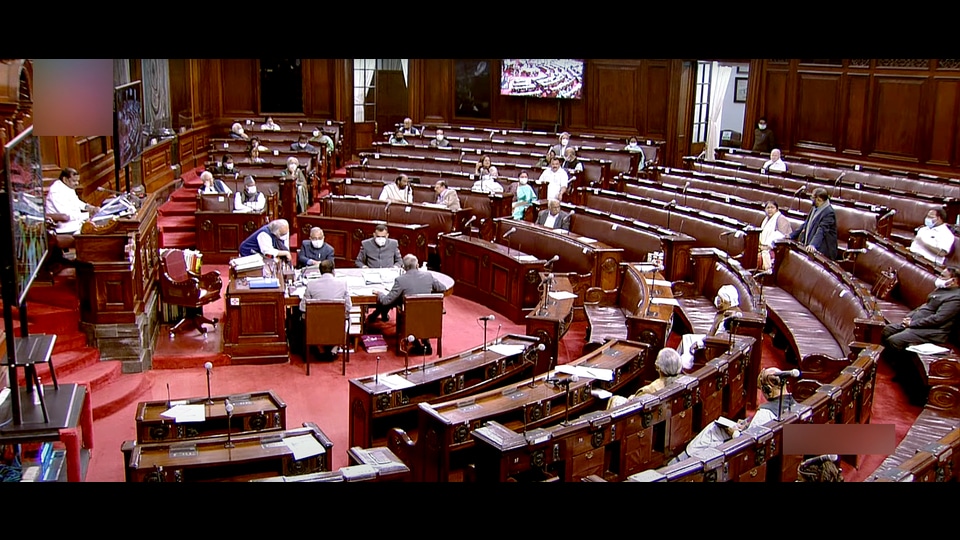
The BJP retained power in four of the five states that went to polls in this round, while the AAP came to power in Punjab.
The Bharatiya Janata Party will cross 100 seats for the first time in the Rajya Sabha, going up to 104 seats from its current tally of 97 by the end of the year. The BJP-led National Democratic Alliance will see its strength rising to 122 in the 243 seat-strong house, giving it a majority. The BJP will gain three RS seats in Uttar Pradesh and take away four seats from the Congress in Assam, Himachal Pradesh and Uttarakhand this year.
The Aam Aadmi Party will benefit from its sweep in Punjab, which will offer it a bonanza of at least six out of the seven RS seats in the state for which elections will be held this year. The AAP, which has just three MPs (all of them from Delhi) in the Rajya Sabha, will become the fifth biggest party in the House after the BJP, the Congress, the Trinamool Congress and the Dravida Munnetra Kazhagam. The Congress will be reduced to just 27 seats, its lowest tally in the Rajya Sabha, from 34, by the end of the year.
The changes will also reduce the Narendra Modi government’s dependence on outside support from parties such as the Biju Janata Dal, which has criticised the Modi government on several issues over the past few months.
The additional seats for the BJP, both in the states and the Upper House nearly ends all chances of the Opposition putting up a fight during the Presidential election due July this year.
A total of 75 Rajya Sabha seats will be going to polls this year. Unlike the Lok Sabha elections, where voters directly elect a lawmaker, Rajya Sabha MPs are elected by MLAs.
In the Upper House, the NDA government was in minority and suffered delays in clearing legislation during the first five years of the Modi government. But for the past two years, the government has gradually gained control in the Rajya Sabha and has passed bills such as the one scrapping triple talaq, the ones effecting the bifurcation of J&K into two UTs and scrapping Article 370, and the farm laws (which were later repealed after a 14-month-long protest by farmers).


