E-Paper



Excess representation against democracy: SC on OBC quota in Maha polls
On December 6, the bench stayed the Maharashtra government’s ordinance through which the state sought to introduce 27% reservation for OBCs in all zilla parishads and panchayat samitis without collecting data on OBCs in every municipal body seat.

 Prefer HTon Google


Excess representation is the antithesis of democratic values, the Supreme Court observed on Tuesday, as the central government maintained the 2011 caste census was “unusable” for official purposes because of grave “inaccuracies” and cannot form the basis for reservations in admissions, promotions or local body elections.
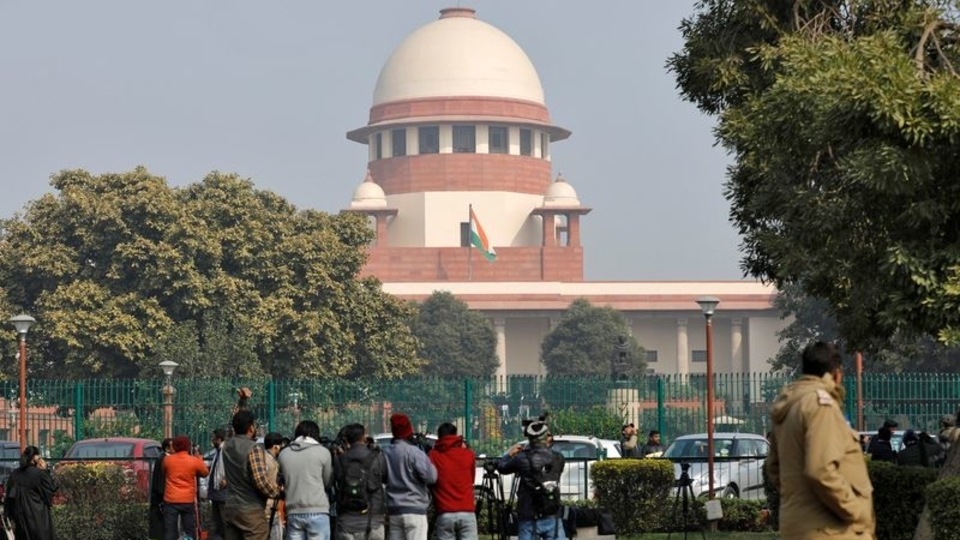
“Excess representation is also antithesis to democratic value,” remarked a bench of justices AM Khanwilkar and CT Ravikumar as the Maharashtra government pressed for reserving adequate seats in zila parishads and panchayat samitis for other backward classes (OBCs).
On December 6, the bench stayed the Maharashtra government’s ordinance through which the state sought to introduce 27% reservation for OBCs in all zilla parishads and panchayat samitis without collecting data on OBCs in every municipal body seat.
“Your political compulsions cannot be the basis to undo our judgment,” the bench had remarked.
The hearing on Tuesday started with solicitor general Tushar Mehta, who appears for the Centre, emphasising that the Socio-Economic and Caste Census (SECC), 2011, was not made public as it was found to be flawed, and was bound to mislead. “No reliance can be placed on the SECC 2011, not only for reservation but also for employment, education or any other purpose,” he said.
Reading out from the affidavit filed by the Centre in September, Mehta said that either due to the mistakes by enumerators, inherent flaws in the manner of conducting census, and several such other factors, there is no dependable caste-based census data available that can be the basis of a constitutional or statutory exercise like reservations in admissions, promotions or local body polls.
The central government “fully supports” reservation for OBC, but the exercise will have to be in line with the verdict of the Constitution bench that had laid down triple conditions, including setting up a dedicated commission to conduct a contemporaneous rigorous empirical inquiry into the nature and implications of the backwardness with respect to local bodies within a state, he said.
During the hearing, at one point, the bench observed that one can go ahead with the reservation for OBC only if they comply with the triple test as mentioned in the Constitution bench verdict of 2010, and also the judgement delivered later by a three-judge bench in March. The hearing will resume on Wednesday.