A global supply-chain squeeze and rising prices have hit the availability of fertilisers in the country, weighing heavily on the coming winter-sown or rabi farming season, as cultivators scramble for crop nutrients in states such as Punjab, Haryana and Madhya Pradesh.
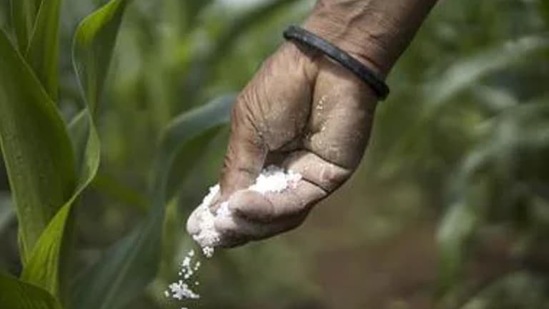
The Union government has set up a team to monitor supplies. Union minister for chemical and fertilisers Mansukh Mandaviya assessed the demand situation in key food-bowl states several times last week. He last reviewed the nation’s total fertiliser demand for November on Monday and denied any shortage.
“I request farmers not to go by rumours and assure them that the government has made adequate arrangements for the supply of fertilisers,” the minister said in a taped statement.
However, inventories of key crop nutrients, especially DAP (diammonium phosphate) and murate of potash (MPO), have a hit a five-year low, the managing director of one of India’s largest crop-nutrient firms said, requesting anonymity.
A sharp increase in international prices, lower production of feedstock or raw materials during the peak pandemic phase, and shipping bottlenecks are key reasons for the crisis.
According to the fertiliser minister, the government has made arrangements for supply of 1.8 million tonne of DAP against a total demand 1.7 million tonne for the country as a whole for November.
{{/usCountry}}According to the fertiliser minister, the government has made arrangements for supply of 1.8 million tonne of DAP against a total demand 1.7 million tonne for the country as a whole for November.
{{/usCountry}}The Union government is coordinating and monitoring shipments in over 50 ports and railway heads critical for supplies.
On October 14, the Union government revamped parts of its subsidy regime for fertilisers and crop nutrients to continue providing them at below-market rates, while rolling over special discounts announced for the summer-sown season to the oncoming winter-sown months.
International prices of raw materials for some crop nutrients such as DAP and 22 grades of phosphatic and potassic (P&K) fertilisers have been increasing for over 18 months, trade data show. Most of these fertilisers have seen a jump of over 50% in prices, forcing the government to expand subsidy.
India offers subsidies to compensate fertiliser companies who sell them at below-market rates.
The country imports up to a third of its fertilisers to meet domestic demand. China, the largest producer of DAP, is a key supplier of the nutrient to India.
“Prices have gone through the roof and urea, for instance, is very, very expensive to buy. That is the main issue,” said KS Raju, chairman of the board at Nagarjuna Fertilizers and Chemicals, a large conglomerate.
Although the government has announced additional subsidies under the so-called nutrient-based subsidy regime — the mechanism by which the Centre disburses the subsidy to manufacturers — worth ₹28,602 crore, manufacturers could be buying at a slower pace.
“Since extra capital is required because of higher global rates, purchase deferment is taking place, adding to the shortage,” said Ashok Agrawal of Comtrade, a commodities trading firm. He said shipments, however, were expected to increase.
Data show that India needs to ratchet up imports as stocks run low. During the summer-sown months, DAP demand outstripped availability by 13.6%, official data accessed by HT show.
“Indigenous production of urea at 7.89 million tonne and DAP at 1.11 million tonne during April-July 2021 declined by 3.9% and 12.3%, respectively, over April-July 2020,” wrote Satish Chander, the director general of Fertiliser Association of India in the latest issue of the Indian Journal of Fertilisers.
Rumours of a shortage have prompted farmers to panic and buy nutrients like DAP in excess quantities, said Amrik Singh, an official of the Punjab agriculture department. DAP is an essential nutrient for the winter-sown wheat.