
 E-Paper



G20 for investment to ensure food security as part of Covid-19 emergency funding
The Matera Declaration warned that as per current trends, the number of people affected by hunger will exceed 840 million by 2030.


The G20 on Wednesday called for investments to ensure food security, sustainable food systems and territorial development as part of Covid-19 emergency funding and long-term national recovery plans.
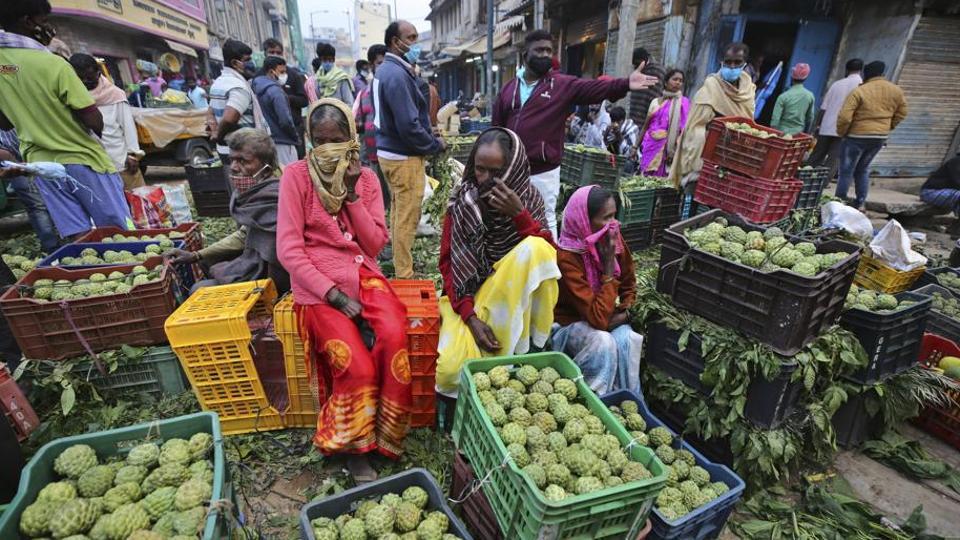
It also noted that the Covid-19 pandemic was likely to add more than 100 million people to the total number of undernourished in the world in addition to more than 840 million people, who were likely to be affected by hunger by 2030, missing the target to end malnutrition and achieve “Zero Hunger” under the Sustainable Development Goals (SDGs).
The meeting also called for accelerating adaptation of agriculture and food systems to climate change, which impacts agriculture output and is among the forces driving the rise in global hunger.
The call was part of the Matera Declaration on food security, nutrition and food systems adopted at the conclusion of the G20 foreign ministers’ meeting in Italy that was attended by external affairs minister S Jaishankar. The meeting was held to prepare for the G20 Summit later in the year.
The Matera Declaration warned that as per current trends, the number of people affected by hunger will exceed 840 million by 2030.
“These figures do not take into account the toll of the Covid-19 pandemic that is likely to add more than 100 million people to the total number of undernourished in the world, as people lost their jobs and income, with consequences on their food security,” the declaration said.
Post-pandemic recovery efforts and equitable access to Covid-19 diagnostics and vaccines were among the other key issues discussed by the ministers of the bloc, which includes the European Union.
Jaishankar appreciated Italy’s role in highlighting food security and said in a tweet: “The Matera Declaration reflects the Indian concern for the welfare of small & medium farmers, promoting local food cultures and recognising agri-diversity.”
He said he had shared his views on contemporary challenges at the G20 meeting, adding that livelihood, health, digital access and climate action should constitute the new developmental priorities.
“Covid has impacted the fight against poverty, hunger and disease across the world. It has pushed back the global development agenda, increasing vulnerability in many societies. India is today at the forefront of the response, giving food support to 800 million citizens,” he tweeted.
The Matera Declaration sought enhanced “catalytic investments for food security, nutrition, and sustainable food systems and territorial development, as part of the substantial Covid-19 emergency funding and longer-term national recovery plans and packages”.
It said this should be done “consistent with WTO obligations and taking into account the voluntary Committee on World Food Security (CFS) Principles for Responsible Investment in Agriculture and Food Systems”.
All actors across the international financial architecture and financial ecosystem need to play a role in improving availability of and access to sustainable finance in the food and agriculture sector to enable small scale and family farmers and fisherfolk, agro-enterprises, cooperatives and other operators within food value chains to invest more in sustainable food systems, the declaration said.
The meeting welcomed the establishment of a “Finance in Common” working group on financing sustainable food systems, led by the International Fund for Agricultural Development (IFAD) and highlighted the private sector’s critical role in supporting public efforts to improve agri-food systems.
It also emphasised the importance of accelerating digital transformation and innovation, with adequate protection of intellectual property rights and data privacy and the voluntary transfer of technologies, for sustainable and resilient agriculture.


