Google has marked India's 80th Independence Day with a vibrant textile-inspired Doodle celebrating the country's diverse regional traditions, craftsmanship and cultural identity.
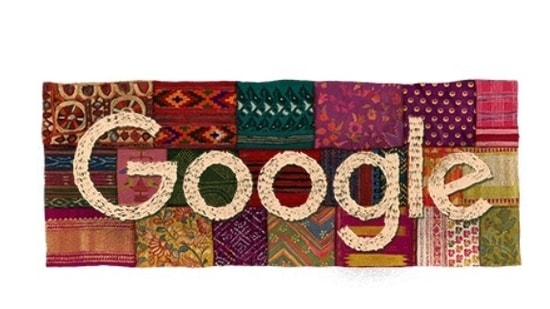
The Google Doodle for August 15, 2026, features a colourful textile patchwork artwork that brings together traditional Indian weaving and printing techniques.
According to Google, the illustration is a modified reissue of the iconic 2023 Doodle created by New Delhi-based artist and graphic designer Namrata Kumar, with the 2026 version featuring an updated, magnified font over the digital textile swatches. Track live updates on Independence Day celebrations
Deep Dive
What textile traditions are highlighted in Google Doodle for India's 80th Independence Day?
Why does PM Modi wear traditional headgear during Independence Day celebrations?
How has Indian fashion evolved for Independence Day celebrations over the years?
The artwork is designed as a unifying textile tapestry representing India's varied geographic regions, cultures and craftsmanship.
It pays tribute to the collective work of the country's weavers, dyers and printers, while highlighting the role of textiles in shaping India's identity.
The design incorporates several historic Indian textile traditions, including Jamdani and Ikat weaves, Ajrakh block prints and Benarasi fabrics.
{{/usCountry}}The design incorporates several historic Indian textile traditions, including Jamdani and Ikat weaves, Ajrakh block prints and Benarasi fabrics.
{{/usCountry}}The wider textile collage also showcases Kani Pashmina from Jammu and Kashmir, and Kerala's Kasavu tradition.
Also read: PM Modi announces free online coaching for competitive exams in Independence Day speech
Jamdani is known for intricate geometric and floral motifs woven into fine muslin, while Ikat involves dyeing yarns in precise patterns before they are woven. Ajrakh uses layered block printing with natural mineral and vegetable dyes.
Kani Pashmina is created using wooden Kani needles to weave colourful patterns into pure Pashmina wool.
Kasavu is recognised for its cream-coloured handloom fabric with a gleaming golden zari border.
Benarasi textiles from Varanasi are known for high-quality silk and intricate gold and silver brocade work.
India became independent on August 15, 1947, after nearly two centuries of British colonial rule.
Independence Day is observed across the country through traditions including community flag-hoisting ceremonies, the Prime Minister's address from the Red Fort and the flying of tricolour kites.
Also read: What is PM Modi's 'Saptadhara' plan to achieve Viksit Bharat: Explained
Google has previously marked India's Independence Day through artworks drawing on regional crafts, national history and cultural traditions.
Its 2025 Doodle, designed by Boomranng Studio, featured regional ceramic tile styles including Jaipur Blue Pottery and Bengal Terracotta, while the 2024 artwork by Vrinda Zaveri focused on local celebrations and communities hoisting the national flag.
Earlier Doodles have also highlighted the symbolism of freedom.
The 2022 artwork featured skies filled with tricolour kites, while the 2015 Doodle depicted Mahatma Gandhi leading the 240-mile Dandi March of 1930 in a tribute to non-violent civil disobedience.