The Department of Biotechnology (DBT) directed research bodies to ensure compliance with standard operating procedures (SOPs) for research and development (R&D) on certain types of genome-edited plants that are expected to accelerate crop yields and agricultural productivity.
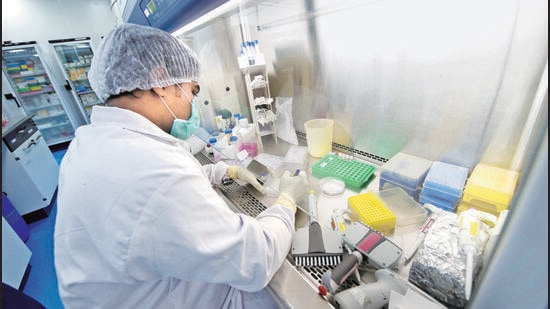
The guidelines will not only help the fast-track research but will also help the government monitor, said officials familiar with the matter.
“Considering the huge growth and advancement in genome editing research and applications in the field of agriculture, these guidelines and SOPs will be very valuable resource documents for the country,” a statement released by the DBT on Thursday read.
“These guidelines and SOPs are expected to speed up development of plant varieties and to reduce the time of approval. New plant varieties with improved traits would contribute towards increasing farmers’ income,” the statement added.
“Overall, this regulatory streamlining will bring transformational change in product development and commercialization and thereby will contribute to agenda for ‘Atma Nirbhar Bharat’. This has also paved the way for India as emerging global power in genome edited plants based technology and its applications,” it said.
The Union environment ministry, in a notification in March 2022, had exempted certain types of genome-edited crops from the stringent bio-safety regulations applicable to genetically-modified (GM) crops.
{{/usCountry}}The Union environment ministry, in a notification in March 2022, had exempted certain types of genome-edited crops from the stringent bio-safety regulations applicable to genetically-modified (GM) crops.
{{/usCountry}}The ministry had exempted site directed nuclease (SDN) 1 and 2 genomes from certain rules under the Environment Protection Act in order to avoid the long process for approval of GM crops through the Genetic Engineering Appraisal Committee (GEAC).
The department also notified the SOPs for regulatory review of Genome Edited Plants under SDN-1 and SDN-2 categories, 2022 in October this year.
“These SOPs shall be applicable for all organisations involved in research, development and handling of the genome edited plants under SDN-1 and SDN-2 categories from the date of notification. The SOPs provide regulatory a roadmap, requirements for research and development and meet the threshold for exemption of genome edited plant(s) under the SDN-1 or SDN-2 categories,” the ministry statement read.
Senior officials of the ministry said that the new set of directions was to reiterate that the new guidelines have to be followed and the government will be monitoring research in the area to ensure safety.
“This will help government keep a better check on research around this area and will also help speed up the processes of clearances to accelerate crop yield and agricultural productivity,” an official from the ministry of science and technology said.