The Intergovernmental Panel on Climate Change (IPCC)’s working group II report titled “Climate Change 2022: Impacts, Adaptation and Vulnerability” released in March has already flagged that Asia is experiencing high human mortality due to heat extremes.
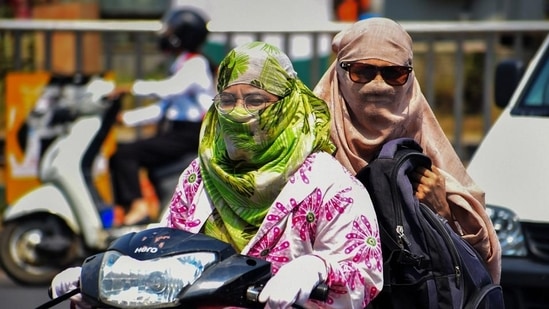
“Climate change is increasing vector-borne and water-borne diseases, undernutrition, mental disorders and allergic diseases in Asia by increasing the hazards such as heatwaves, flooding and drought, air pollutants, in combination with more exposure and vulnerability. In addition to all-cause mortality, deaths related to circulatory, respiratory, diabetic and infectious disease, as well as infant mortality are increased with high temperature. Increases in heavy rain and temperature will increase the risk of diarrheal diseases, dengue fever and malaria in tropical and subtropical Asia. More frequent hot days and intense heatwaves will increase heat-related deaths in Asia,” the authors of that report wrote.
The report’s summary for policy makers also said: “widespread, pervasive impacts to ecosystems, people, settlements, and infrastructure have resulted from observed increases in the frequency and intensity of climate and weather extremes, including hot extremes on land and in the ocean, heavy precipitation events, drought and fire weather.”
These heatwave spells will almost certainly increase mortality and morbidity, degrade ecosystems, lead to crop failure and loss of productivity and economic output.
{{/usCountry}}These heatwave spells will almost certainly increase mortality and morbidity, degrade ecosystems, lead to crop failure and loss of productivity and economic output.
{{/usCountry}}“The first thing to do is a mortality analysis which shows at what temperature level mortality is rising. Correlating maximum temperature data with all cause mortality is a good indicator. A similar exercise has already been done in Ahmedabad which led to development of the Ahmedabad Heat Action Plan,” said Dr Dileep Mavlankar, who heads the Indian Institute of Public Health in Gandhinagar.
“Once an alert system is developed, based on the temperature threshold at which deaths start rising, people need to be reminded that they cannot work outdoors during peak afternoon hours; need to wear light-coloured clothes; wipe their bodies with a wet cloth; and rest every 30-60 minutes while working outdoors,” he added.
Dr Mavlankar highlighted that among various impacts, loss of productivity will be stark leading to widespread economic impacts. India already loses around 101 billion hours a year on account of heat, the most in the world, and risks seeing this number rise to 230 billion hours a year when global warming reaches 2 degrees C over pre-industrial levels, a paper published in Nature last year said. That’s the equivalent of the work done by around 35 million people each working an eight-hour day, in a year.
The undocumented morbidity associated with the present and March-April heatwave spell is huge say people who live in unauthorised settlements with hardly any cooling mechanisms. Renu Singh, a domestic worker who lives in South Delhi’s Govindpuri with her disabled son, said a large number of women are reporting low blood pressure. “We are dizzy very often during severe heatwave days. I have asked my employers to give me leave during some such days but that’s always not possible. Many of us do not manage to sleep at night. I sleep at the door with my desert cooler on and my son who has cerebral palsy has been feeling very weak because he cannot move and has to bear the extreme heat. I have tried pouring water all over the roof but relief is only for an hour or so. I may have to take unpaid leave if this spell continues.”
Short exposures to temperatures above 35°C with high humidity, or above 40°C with low humidity, can be lethal. Increases in exposure, frequency, and duration of stressful and lethal temperatures increase the physiological stress and bodily damage suffered by humans, livestock, poultry, fish, and agricultural crops, the Lancet Planetary Health Journal said last year in their paper titled “The upper temperature thresholds of life”.
“In some countries there are cooling shelters where people working outdoors can rest. We need to create awareness about an upcoming heatwave spell and health preparedness before it’s too late. There is no point in preparing when the spell has already started and is about to dissipate,” said M Rajeevan, former secretary, ministry of earth sciences and climate scientist.