
 E-Paper



How 1,158 professors in Punjab lose jobs they got just months ago, SC calls out ‘political gains’: Explained
Selected candidates had recently joined duties after being recruited under the 2021 process, which was held just before the Punjab assembly elections of 2022

 Prefer HTon Google


Four years to get appointment letters, and then their very recruitment stands quashed — this is what has happened to 1,091 assistant professors and 67 librarians in Punjab after a Supreme Court ruling.
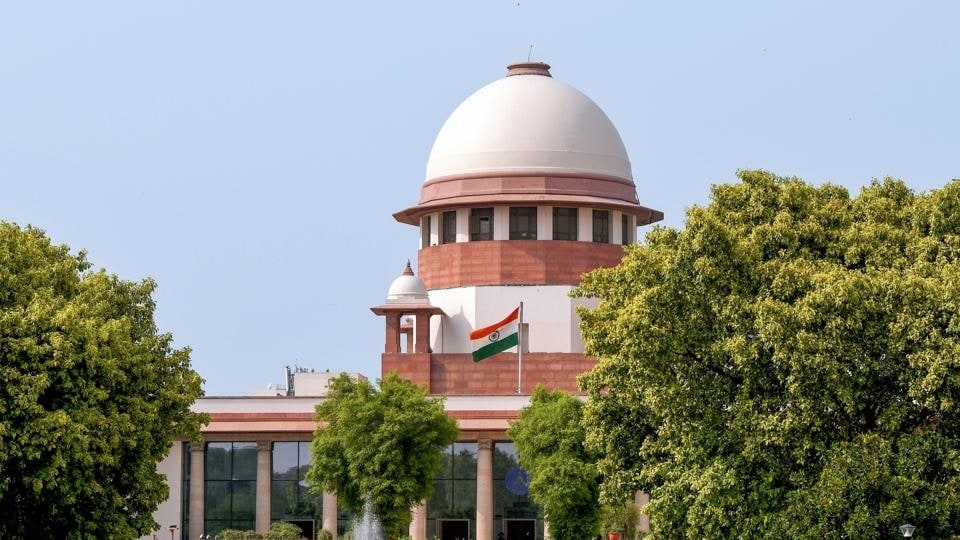
Calling out “narrow political gains”, the country's top court struck down the appointment of all 1,158 selected candidates on Monday as rules had not been followed in the hiring process.
These teachers and librarians had recently joined duties after being recruited under the 2021 process, which was held just before the Punjab assembly elections of 2022.
Long road to strike-down for Punjab's '1158 Front'
The selected candidates had formed a ‘1158 Front’ to seek appointment letters even as some Guest Teachers in the state had challenged their recruitment. The legal battle took time:
- Struck down at first: A single-judge bench of the Punjab and Haryana high court struck the process down in 2022.
- Given the go-ahead by HC: In 2024, a division bench of the high court okayed the process.
- Jobs, finally: All 1,158 were then given postings and they joined Punjab’s various government colleges.
- SC quashes it: On Monday, July 14, a Supreme Court bench of Justices Sudhanshu Dhulia and K Vinod Chandran set aside the HC's 2024 order. It directed the Punjab government to initiate a fresh recruitment process as per the 2018 UGC regulations, HT has reported.
- Now what: The selected candidates' union, called the ‘1158 Assistant Professors and Librarians Front’, is hoping for the state government to file a review petition.
What process was followed to recruit the 1,158?
The SC flagged how the state replaced the UGC method of selection, which includes assessment of academic work and interviews.
Instead, the state held only a single, written, multiple-choice test. The rationale was that such a test was more objective and less prone to manipulation.
But the court did not buy that logic.
What Supreme Court said: ‘Can’t be ignored'
The SC acknowledged that the quashing would “cause hardships” to the selected candidates.
But, it noted, that a "challenge to the recruitment was made during the pendency of the process and appointments were subject to the Court orders”.
The court made stinging comments about the politics behind the process, too.
Exercise just before 2022 Punjab polls: ‘Arbitrary’
The recruitment process was carried out by the then Congress government in Punjab led by Charanjit Singh Channi. The party lost power to the Aam Aadmi Party (AAP) in the assembly elections in 2022.
Eventually, the AAP also faced pressure from the ‘1158 Front’ even though the legal challenge to the process was pending. After the HC's 2024 order okaying the process at the time, the AAP government gave them poostings.
The Supreme Court on Monday did not stress on specifics, but underlined that the recruitment “was motivated by political exigency in the form of the impending assembly elections in the state of Punjab".
“The entire process… was followed not in the interest of the state or for the cause of higher education but for narrow political gains,” said the court.
The AAP too had backed the process, though. The party was not responsible for initiating the process, but it supported the selection in court later. It argued that the state was empowered to have its own hiring procedures, and was not bound by the public service commission or University Grants Commission (UGC) regulations.
What was wrong with the process?
Punjab had voluntarily adopted the UGC regulations and was duty-bound to follow them, noted the Supreme Court. It was required to make such appointments through the public service commission.
The SC judgment highlighted the irregularities.
Foremost among them was that the proposal was initially limited to filling 177 posts for newly opened colleges on an urgent basis.
This was later expanded to include another 931 assistant professor and 50 librarian posts. These were vacancies that had already been referred to the Punjab Public Service Commission, which was later not made part of the “urgent” process.
Upholding the 2022 judgment of the HC single judge, the SC overturned the later HC division bench judgment of September 2024 that had revived the process.
What the 1,1158 candidates now hope for
Pritpaul Singh, a central commitee member of the 1158 Front, claimed that Punjab's higher education minister, Harjot Singh Bains, told them “the state will go in for a review petition in the SC”; but there was no confirmation yet from Bains about this.
As for the Front's plans, he said, “We have decided to fight against the government if it issues any adverse order against our already-joined candidates or if they do not fight for us in the Supreme Court in a serious manner.”
He said the candidates are stressed: “Most of them left their previous jobs and fellowships to teach in government colleges.”


