
 E-Paper



300-400 drones used by Pakistan last night to target India: Centre
India used S-400 Triumph missile systems, Barak-8 missiles, Akash surface-to-air missiles, and DRDO's anti-drone technologies to thwart Pakistani offensive.

 Prefer HTon Google


India on Friday said that Pakistan launched between 300 and 400 drones across 36 locations from Leh to Sir Creek in a coordinated attempt to target Indian military installations.
“Our armed forces shot down many of these drones using both kinetic and non-kinetic means. One armed unmanned aerial vehicle was sent to strike the Bhatinda military station, but the attempt was foiled,” said Wing Commander Vyomika Singh during a media briefing.
She added that in retaliation, India deployed armed drones against four Pakistani air defence sites, successfully destroying one radar system.
The government confirmed that Pakistani drones and missiles violated Indian airspace during the intervening night of May 8 and 9. In response, India activated its air defence network, including S-400 Triumph systems, Barak-8 and Akash missiles, and DRDO’s anti-drone technologies, to neutralise the threats.
According to highly placed sources, after India launched Operation Sindoor on May 7, targeting terror infrastructure in Pakistan and Pakistan-occupied Kashmir (PoK), Pakistan escalated by firing missiles at military sites across northern and western India. All incoming missiles were intercepted.
As part of its retaliation to the April 22 Pahalgam terror attack, India conducted precision missile strikes on terror camps in Pakistan and PoK, including Bahawalpur, a known Jaish-e-Mohammad (JeM) stronghold.
The defence ministry noted that Pakistan had attempted to strike multiple Indian military sites including Awantipora, Srinagar, Jammu, Pathankot, Amritsar, Kapurthala, Jalandhar, Ludhiana, Adampur, Bhatinda, Chandigarh, Nal, Phalodi, Uttarlai, and Bhuj—using drones and missiles on the night of May 7–8.
Sources said India’s response was swift and precise, underscoring its capability to defend and retaliate against any provocation.
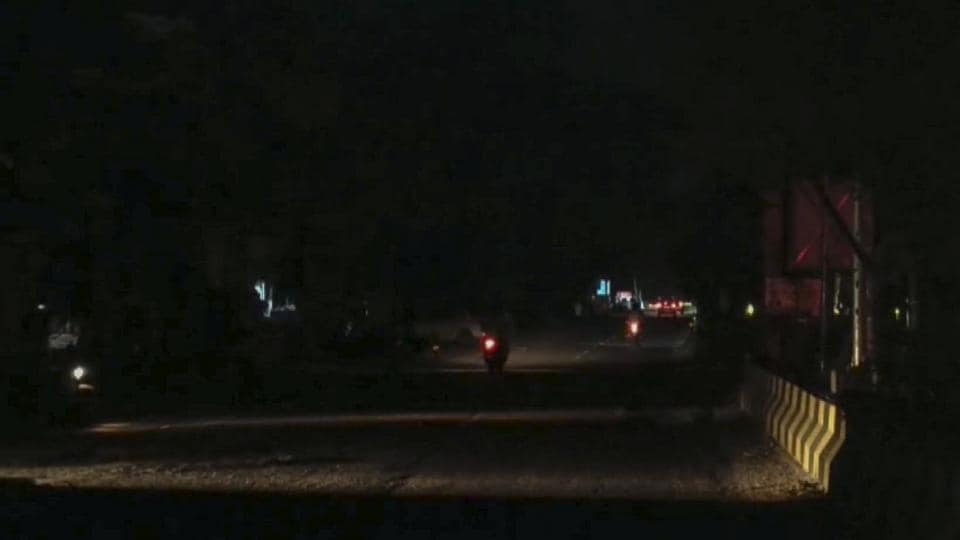
The district administration in Ambala, a key air force base in Haryana, issued an order on Friday enforcing a blackout during night hours due to the ongoing military conflict between India and Pakistan, officials said.
“In view of the prevailing circumstances, it is imperative to ensure a complete blackout during night hours to safeguard public safety and strategic interests,” said an order issued by deputy commissioner Ajay Singh Tomer.
The order also imposed a ban on the use of inverters, generators, and other power backups for outdoor lights, billboards, streetlights, and similar purposes from 8 pm to 6 am until further notice in Ambala district.


