
 E-Paper



India on alert against possible Lashkar, Jaish attacks from sea
The Indian Navy and Coast Guard have been put on alert against attacks on ports, cargo ships and oil tankers by Pakistan-based Lashkar-e-Taiba, which has been building sea strike capabilities since June this year, Pakistan watchers and counter-terror officials said.

 Prefer HTon Google


The Indian Navy and the Coast Guard, defending the country’s 7,517 kilometer long coastline, have been put on alert against attacks on ports, cargo ships and oil tankers by Pakistan-based terrorist group Lashkar-e-Taiba (LeT), which has been building its sea strike capabilities since June this year, Pakistan watchers and counter-terrorism officials in India said on condition of anonymity.
Jaish-e-Mohammed (JeM), another Pakistan-based Islamist terror group targeting India, has also started a rigorous training programme that involves swimming and deep diving techniques, according to these officials.
LeT’s naval ambitions aren’t new, although they are closer to fruition now than they have ever been. According to the officials, it first came to light during the interrogation of 26/11 accused David Coleman Headley by the National Investigation Agency in 2010 with the jihadist naming a certain Yaqoob as head of the terror group’s marine wing; he also added that the 10 gunmen involved in the Mumbai terror attack on 26/11 were trained by Pakistan Navy deep sea divers or frogmen.
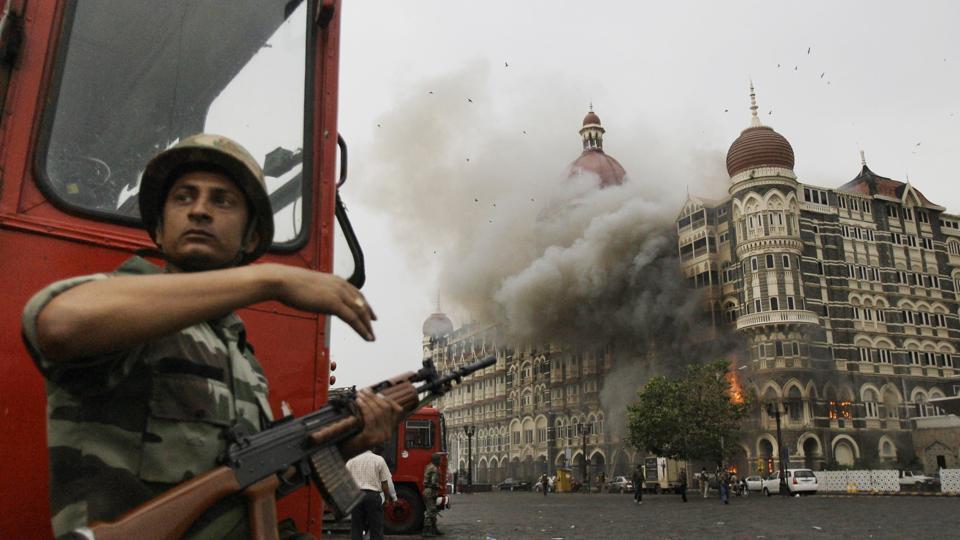
Mumbai was attacked from the sea with the terrorists entering the Indian exclusive economic zone (EEZ) on the Al Hussaini, a trawler registered with the Baluchistan Fisheries Department. The Lashkar gunmen then commandeered Indian boat M V Kuber to bring them off the Mumbai coast, completing the final leg of their journey using inflatable boats. The attack left 164 people dead and 304 injured.
Inputs available with the Navy and Coast Guard show that LeT’s front organisations including Falah-e-Insaniyat Foundation, Al Dawa Water Rescue, Life Line Water Rescue and Rescue Mili Foundation have been imparting training in deep water diving techniques to cadres at swimming pools and canals at various locations in Sheikhpura, Lahore and Faisalabad in Punjab since June 2018, the officials pointed out.
Based on the inputs, the officials said that India’s assessment is that LeT cadres could hijack cargo ships or oil tankers on high seas and then strike at Indian ports or infiltrate suicide attackers through sea and inland water channels.
The aquatic training includes down proofing, where the hands and feet of the swimmer are tied so that only a form of breast stroke is used to keep afloat. Those selected using this rigorous regime are then trained for deep diving in inland estuaries and deep sea by specialised instructors.
Equipment used in training includes complete neoprene suit sets, weight belts, open air circuit breathing apparatus, and Gemini or Zodiac dinghies with powerful outboard motor engines.
Although in a nascent stage as compared to Lashkar, the Pakistan deep state’s other hand, the Jaish-e-Mohammed, has also been preparing its cadre in Bhawalpur on using sea or water channels infiltration and strike purposes.
According to the officials , the Jaish leadership is now emphasising on the importance of “Samundari jihad”, which is being projected as more sacred than land jihad by the radicalised Islamist instructors.


