
 E-Paper



India pushes military infra-upgrade in Andamans, monitors Coco Islands
India is monitoring the Chinese aided activity in the nearby Coco Islands of Myanmar.

 Prefer HTon Google


The Narendra Modi government has deployed deterrence capabilities in island territories of Andamans and Nicobar Islands to project dominance in the Indian Ocean and counter the expanding Chinese naval footprint in the region.
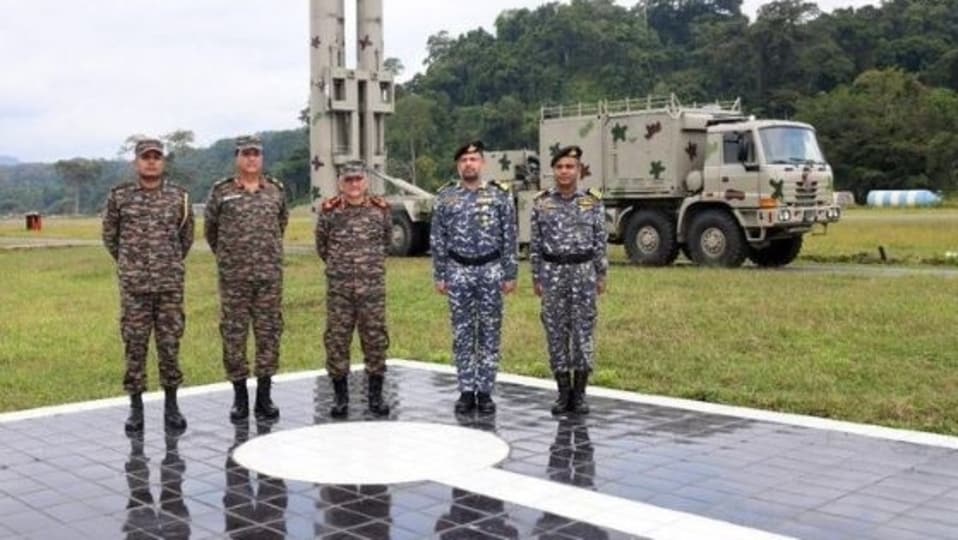
While the national security planners and armed forces are tight-lipped about the deterrence capabilities with the tri-service AN Command, India is monitoring the Chinese aided activity in the nearby Coco Islands of Myanmar and at Ream national park in Cambodia near a naval base in Sihanoukville province. Beijing’s strategic footprint can be seen in Hambantota port in Sri Lanka, Gwadar in Balochistan, Chah Bahar in Iran and at Khalifa port in UAE apart from its first overseas military base in east African nation of Djibouti.
Intelligence inputs suggest that the Myanmar junta had extended and widened the runway at Coco Island strip from 1300 to 2300 meters as well as constructed sheds in 2021-2022 with transport aircraft operating from the strip for supplying the island, just 55 km north of Indian AN islands. While there is no permanent presence of Chinese on Coco Islands, they are frequently seen on the remote Myanmar outpost with some 150 Myanmar personnel posted on Coco.
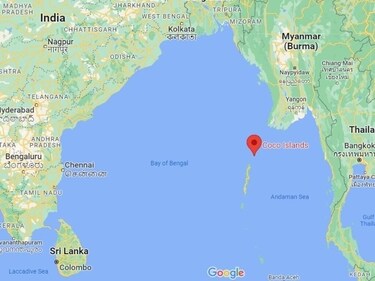
Although there is no evidence as such, India expects an air defense and air surveillance capability to come up on the southern tip of Coco where the construction of a causeway, connecting the southern tip to the next island, and land clearing is currently taking place.
A similar air defense and air surveillance capability with an expanded radar system is expected at Ream National Park, which US suspects will be the second Chinese overseas base after Djibouti and the first PLA base in the Indo-Pacific. Cambodia and Laos are the closest Chinese partners in ASEAN with the PLA and Cambodian Navy holding the first joint naval exercise in Cambodian waters last month.
While both Myanmar and Cambodia deny that they are part of the Chinese gameplan, facts on the ground are to the contrary and both the nations are a part of Beijing’s Belt Road Initiative (BRI) and have no monetary resources to spare to develop air defence capabilities and hardened shelters.
Given the Chinese expanding footprint in the Indo-Pacific and the frequent presence of its strategic vessels in the Indo-Pacific, the Indian security planners have speeded up military infrastructure upgrade at AN Islands as well as Lakshadweep Islands. Deterrence capabilities based on land and at sea have been deployed as work is being pushed in Great Nicobar Island for development of Campbell Bay. Similar deterrence capabilities have been deployed on the east coast of India in Andhra Pradesh with the Indian Navy’s eastern command to counter any military challenge. The AN Command in future will become the first line of defence for the Indian military and be part of a theatre command with focus on rising China.


