
 E-Paper



India sends another letter to Pak, says talks only about terrorism, PoK
New Delhi has told Islamabad it is willing to discuss terrorism that emanates from its soil and targets not just India, but other countries of the region as well: the first time the Indian establishment has gone beyond its borders in setting the talks agenda.

 Prefer HTon Google


The letter war between India and Pakistan has intensified.
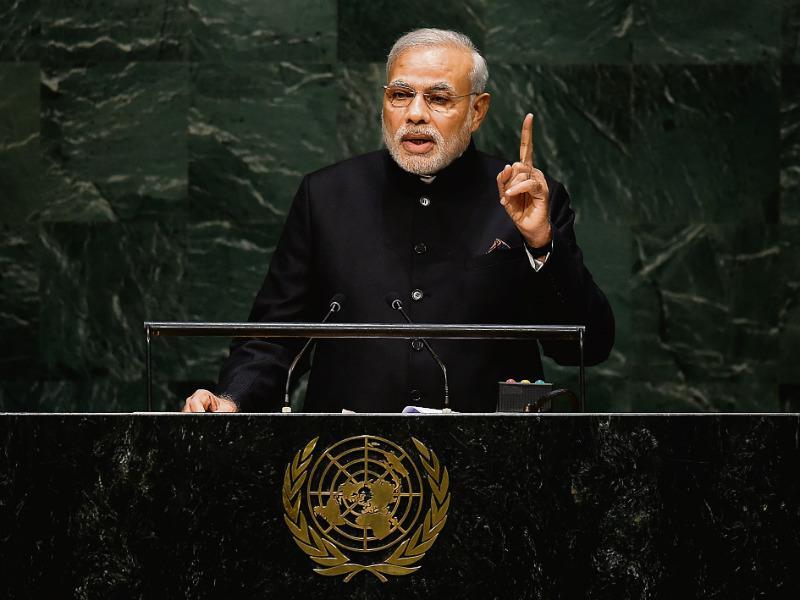
New Delhi has told Islamabad it is willing to discuss terrorism that emanates from its soil and targets not just India, but other countries of the region as well: the first time the Indian establishment has gone beyond its borders in setting the talks agenda.
The latest letter, delivered through diplomatic channels to Islamabad on Wednesday, was foreign secretary S Jaishankar’s reply to his Pakistani counterpart Aizaz Choudhary’s August 19 invite to discuss Kashmir according to the UN resolutions that also call for a plebiscite in the Valley.
India’s letter, discussed and approved by national security adviser Ajit Doval, also reiterates New Delhi’s demand for Islamabad to move out of Pakistan-occupied Kashmir (PoK).
Relations between the two countries have nosedived with India accusing Pakistan of stoking unrest in Kashmir, where 68 people have died in seven weeks of violent street protests that erupted after the encounter death of a Hizbul Mujahideen militant in July.
The letter exchange started after Prime Minister Narendra Modi, in a marked departure from India’s foreign policy, talked about rights abuses in Balochistan, PoK and Gilgit-Baltistan in his Independence Day speech.
A day earlier, Pakistan high commissioner to India Abdul Basit had dedicated his country’s Independence Day to Kashmir’s “freedom”.
A day after Modi’s speech, Choudhary wrote to Jaishankar, inviting him to discuss Kashmir issue. Jaishankar accepted the invitation but made it clear that Pakistan-sponsored terrorism and not Kashmir would be discussed.
In his August 19 reply, Choudhary ignored Jaishankar’s proposal but not before saying that terrorism from India was also a concern for Pakistan.
Indian security establishment was convinced that Pakistan’s Kashmir push was the result of a tussle between Prime Minister Nawaz Sharif and army chief Raheel Sharif, who is due to retire in November, sources said.
“Both are using Kashmir to incite nationalism and trying to get a leg up on each other,” a senior Indian official said.


