E-Paper



India, UAE negotiators finalise trade pact, await nod for signing: UAE envoy
UAE ambassador Ahmed AlBanna made a strong case for renegotiating the existing India-UAE air services agreement, especially to facilitate the travel of the 3.4 million Indians who live in the emirates


NEW DELHI: Negotiators from the United Arab Emirates (UAE) and India finalised the draft of a comprehensive economic partnership agreement (CEPA) in December and the two sides are waiting for a final signal from their leadership to sign the trade pact, UAE ambassador Ahmed AlBanna said on Thursday.
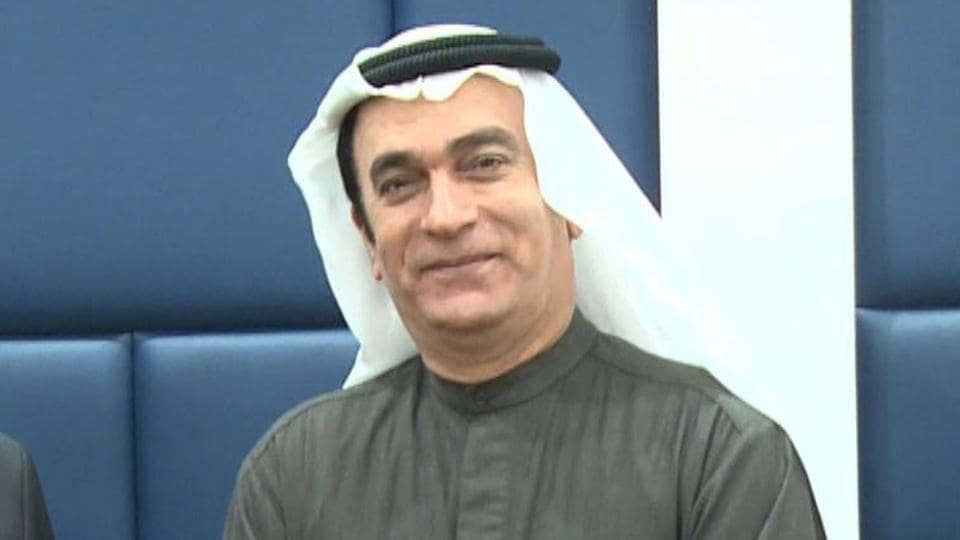
The trade agreement with the UAE is one of several that India is negotiating with countries such as Australia, the UK and Taiwan,
New Delhi and Abu Dhabi reportedly committed themselves to conclude the negotiations by March this year.
“We started the actual negotiations in October [2021] and by end-December, our team of negotiators, both from the UAE side and the Indian side, had finalised the agreement and agreed on all the elements of the agreement,” AlBanna said while participating in a virtual interaction organised by Ananta Aspen Centre.
“What we are planning is very soon it will be signed and it will be implemented...we are just waiting for the final [signal from the] leadership from both sides to conclude and sign the agreement,” he said. The CEPA, he added, will “unleash the golden era in our bilateral partnership”.
AlBanna noted that negotiating a major trade agreement usually takes countries at least a year or two. “We concluded a CEPA agreement with India in less than four months. That shows the immense interest from both sides [in] trying to reach a final agreement which will benefit the economies of the UAE and India in many different sectors,” he said.
The CEPA, he said, will have a positive impact on unemployment, trade, investment, manufacturing and services. “It will create a corridor...for India in the UAE and for the UAE in India,” he added.
AlBanna made a strong case for renegotiating the existing India-UAE air services agreement, especially to facilitate the travel of the 3.4 million Indians who live in the emirates. He noted that “certain restrictions” imposed on air travel are affecting them and are “unacceptable”.
Even the current air bubble arrangement between India and the UAE has opened up capacities “only up to the level of what Indian carriers carry one way from India to the UAE”, he said. This, he pointed out, makes no sense to the UAE carriers. With demand being high and the number of seats limited, air fares were high, he said.
The air services agreement, AlBanna said, was “suffering” even before the Covid-19 pandemic, and the UAE’s calls to renegotiate the pact had “never received a positive response” from the Indian side.
Albanna said the India-UAE partnership strengthened during the pandemic, and the emirates were looking to key partners such as India to help make a transition to sustainable development. He identified defence, security, cyber-security, food security, healthcare and AI as new strategic sectors for cooperation with India.
The UAE was India’s third-largest trade partner for the eighth consecutive year in 2020-21, and bilateral non-oil trade has grown from $185 million in 1985 to more than $43 billion in 2020-21. The UAE’s foreign direct investment into India too jumped from $339 million in 2020 to $4.2 billion in 2021.
The Abraham Accords signed by the UAE and Israel have opened up new opportunities in trilateral strategic cooperation with India. “The newly formed West Asian Quad between the UAE, India, Israel and the US is an offspring of the Abraham Accords and of the trilateral UAE-India-Israel [cooperation],” he said.