E-Paper



Indigenous people in ‘vulnerable’ areas of Assam to get arms licence
The decision, taken at a state cabinet meeting, will be applicable in districts like Dhubri, Nagaon, Morigaon, Barpeta, South Salmara and Goalpara, Sarma said.


Guwahati: The Assam government will provide arms licence to indigenous people living in “vulnerable and remote” areas, especially those in Muslim-majority districts sharing borders with Bangladesh, for instilling a sense of security in them, chief minister Himanta Biswa Sarma said on Wednesday.
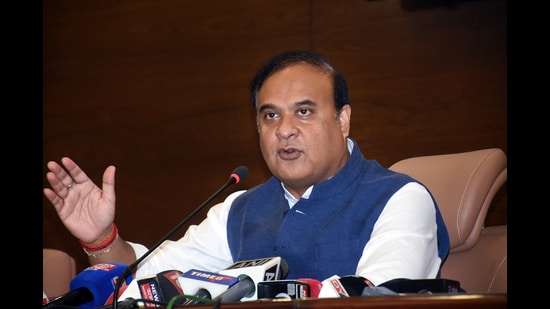
The decision, taken at a state cabinet meeting, will be applicable in districts like Dhubri, Nagaon, Morigaon, Barpeta, South Salmara and Goalpara, Sarma told reporters. Muslims are in majority in 11 of the 35 districts in Assam, of which four share borders with Bangladesh.
“It’s a very important and sensitive decision. Indigenous people in some areas have been feeling insecure, especially in the wake of recent developments in Bangladesh (where Hindus were targeted) ... In this backdrop, the cabinet decided that indigenous people in such vulnerable areas will be given arms licence,” he said.
The chief minister added that Assamese people have been demanding arms licences for a long time. The cabinet approved the special scheme for grant of arms licences to original inhabitants and Indian indigenous citizens in vulnerable and remote areas of Assam.
“The government will be lenient in giving licences to eligible people, who have to be original inhabitants and must belong to the indigenous community living in vulnerable and remote areas of the state,” Sarma said, clarifying the government will not help buy arms, but only give licence to the eligible people.