E-Paper



International Women’s Day| Body shaming common behaviour, women are mostly targets: Survey
Schools and workplaces are where mostly people tend to experience body shaming, and more often than not it is friends who tend to make negative comments on their weight, body shape and skin tone and hair quality among others.

 Prefer HTon Google


Body shaming is a widespread behaviour in urban India and is directed more often at women than men, said 90% women surveyed to understand the attitudes and perceptions of women towards body image, as well as its psychological effect.
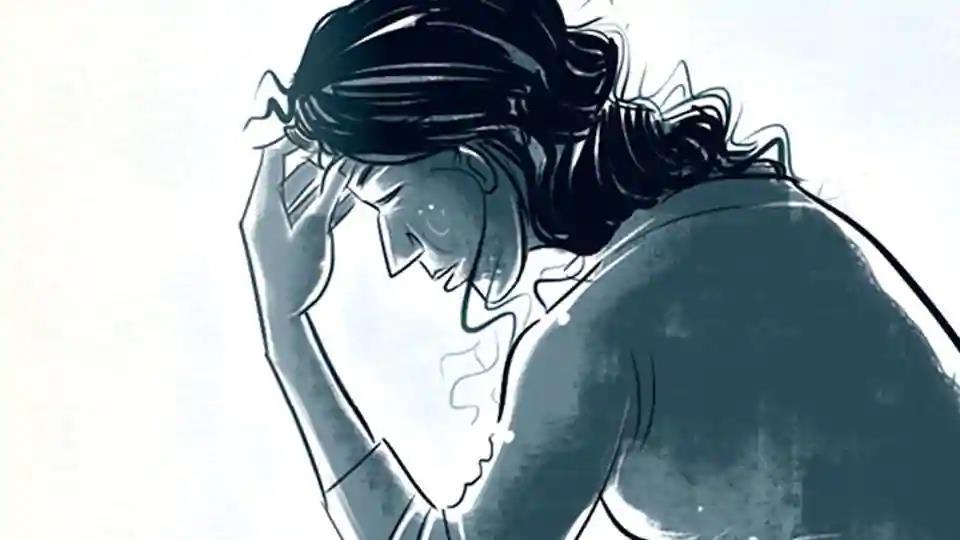
The survey conducted by the department of mental health and behavioural sciences, Fortis Healthcare, among 1,244 women aged between 15 to 45 years across eight Indian cities, including Delhi, Mumbai, Bengaluru.
Body shaming is a form of bullying in which an individual’s physical appearance is subjected to negative remarks or criticism, says Dr Samir Parikh, director of the department, who led the survey. “It wrecks havoc on a person’s self esteem as I see in my patients, who are not even aware of the cause of their problem. Without realising the reason they also seem to cut down on their social engagements because it affects them when people comment on their looks,” he said.
Schools and workplaces are where mostly people tend to experience body shaming, and more often than not it is friends who tend to make negative comments on their weight, body shape and skin tone and hair quality among others.
“It’s especially true for young people for whom appearance plays a major role in developing one’s own self image. In a large number of depression and anxiety cases, negative body image is being seen as an underlying cause,” says Dr Rajesh Sagar, professor, psychiatry department, All India Institute of Medical Sciences, Delhi.
The data showed 47.5% women reported having experienced body shaming at their school or workplace, and in 32.5% of the cases it was their close friend who made negative remarks.
Experts say that apart from encouraging women to believe in their own selves so that they are comfortable with their own body image, schools and parents should take responsibility to sensitise children about appropriate and inappropriate behaviour
“We need to become more sensitive as a society and there should be self-censorship by recognising how words can create an impact on others in our society. Else, this kind of behaviour can really affect the psychology of our coming generations,” says Dr Parikh.