The Bombay High Court on Friday said before it considers the effects of amended Information Technology (IT) Rules on the fundamental rights of citizens, it needs to know the boundaries and limits of three words – 'fake, false and misleading'. It asked if opinions and editorial content on any policy of the government can also be held as misleading, and sought to know if it was permissible in law for a statute to have unbound and limitless discretionary authority.
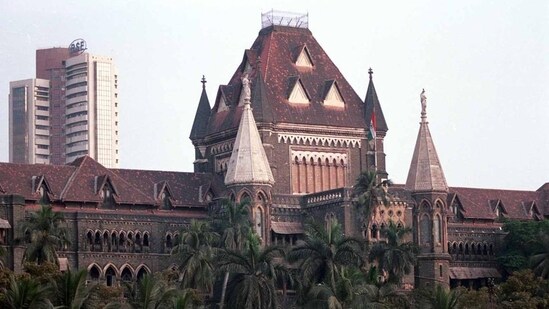
A division bench of Justices Gautam Patel and Neela Gokhale said this while hearing a bunch of petitions challenging the IT Rules that empower the Centre to identify fake, false and misleading information posted on social media against the government and its business. Stand-up comedian Kunal Kamra, the Editors Guild of India and the Association of Indian Magazines filed petitions in the high court against the rules terming them as arbitrary, unconstitutional and saying that they would have a "chilling effect" on the fundamental rights of citizens.
"What are the limits and boundaries of these three words – fake, false and misleading? Before we get into the effect of the Rules on fundamental rights of citizens, as claimed by the petitioners, we need to know this. If these words were capable of limits and bounds then we need not go into the effect," the court said. The bench also sought to know what is construed as government business and what is not.
The court said the Rules say action would be taken when some content information is fake, false and misleading and some authority, in this case the Fact Checking Unit (FCU) is assuming the power to unequivocally say that the content is false or not. "Having an FCU is fine but what we are concerned about is with the authority conferred on this FCU. What we find extremely and seriously problematic is these words – fake, false and misleading," Justice Patel said. The court questioned if this would also include opinions and editorial content.
{{/usCountry}}The court said the Rules say action would be taken when some content information is fake, false and misleading and some authority, in this case the Fact Checking Unit (FCU) is assuming the power to unequivocally say that the content is false or not. "Having an FCU is fine but what we are concerned about is with the authority conferred on this FCU. What we find extremely and seriously problematic is these words – fake, false and misleading," Justice Patel said. The court questioned if this would also include opinions and editorial content.
{{/usCountry}}"I do not know or cannot make out what the boundaries of these words are. Is it permissible in law for a statute to have unbound and limitless discretionary authority like this? What are the limits and boundaries of these words," Justice Patel said. The bench noted that as per the Rules, the FCU would be determining whether a statement or content posted is true or not. "I have a problem with this. How can someone say with finality that this is false. What is the source of this power? At most the FCU can say whether the information is credible or not. Even a civil court cannot authoritatively pronounce what is true. At the most it can make the comment on probability,” Justice Patel said.
The bench questioned if the opinion of a person and editorial content fall in the Rules. "For example, criticism of government figures about the country's economy. The figures may come from government sources but the analysis of the same would be different. Does that make this false, fake, and misleading information?" the court asked.
"One may find an editorial hard-hitting but does that make it false, fake or misleading," Justice Patel said. The bench said it would continue hearing the matter on July 13.
The Union government had earlier assured the court that it would not notify the FCU till July 10. The bench on Friday said this statement shall stand extended till July 14. On April 6 this year, the Union government promulgated certain amendments to the Information Technology (Intermediary Guidelines and Digital Media Ethics Code) Rules, 2021, including a provision for a fact-checking unit to flag fake, false or misleading online content related to the government.
The three petitions sought the court to declare the amended Rules unconstitutional and direct the government to restrain from acting against any individual under the Rules.