E-Paper



Jagannath temple body to apply for patents on names
Sri Jagannath Temple Administration would apply for patents of terms such as ‘Srimandir’, ‘Jagannath Dham’, ‘Mahaprasad’, ‘logo of Srimandir’ and more.

 Prefer HTon Google


Amid the tussle between Odisha and West Bengal over naming of the Jagannath temple in Digha as Jagannath dham, the Jagannath temple management committee of Puri on Monday said it would apply for patent for expressions such as ‘Srimandir’, ‘Jagannath Dham’, and ‘Mahaprasad’.
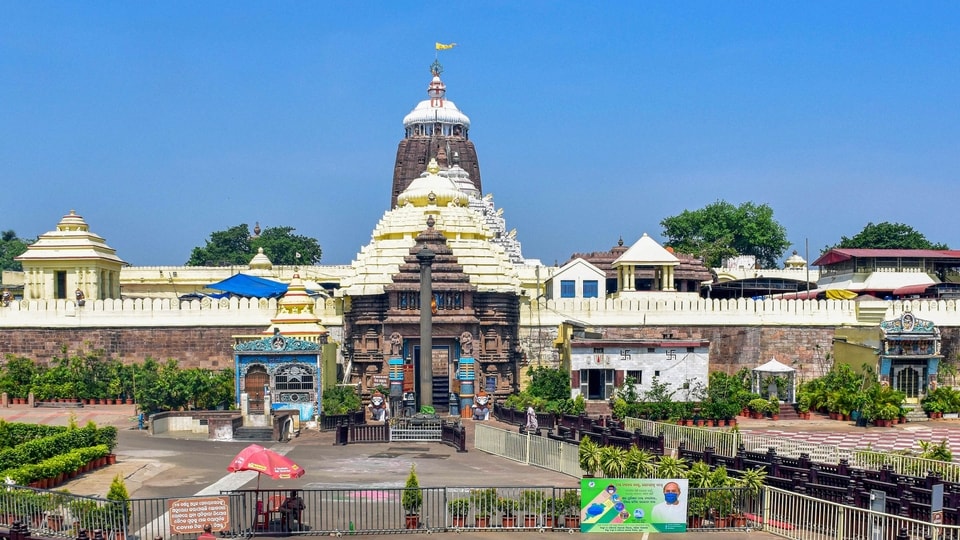
The temple management committee which met in Puri on Monday said the Sri Jagannath Temple Administration would apply for patents of terms such as ‘Srimandir’, ‘Jagannath Dham’, ‘Mahaprasad’, ‘logo of Srimandir’, ‘Shrikshetra’, and ‘Purushottam Dham’. It has been approved in a high-level meeting today,” said SJTA chief administrator Arabinda Padhee.
“Patenting these temple-related terms is a legal measure aimed at preserving the sanctity, heritage, and unique identity of the Jagannath Temple. This step is crucial to prevent the indiscriminate use of sacred terminology linked to Lord Jagannath,” said Arabinda Padhee, chief administrator of the temple.
Last month, West Bengal chief minister Mamata Banerjee inaugurated the Jagannath Temple in Digha referring to it as “Jagannath Dham” sparking widespread criticism, as “Dham” is a sacred designation traditionally linked to Puri, per Hindu scriptures and Adi Shankaracharya’s designation of four Dhams (Puri, Badrinath, Dwarka, Rameswaram).
Also Read | Attempts to encroach Puri Jagannath temple land will not be tolerated: Shrine authorities
The Puri Shankaracharya and several others have argued that using “Dham” for Digha undermines Puri’s unique spiritual and cultural significance.
The Digha temple allows non-Hindus and foreigners, unlike Puri’s Hindu-only tradition, further fuelling objections.
BJP leaders Sambit Patra and Suvendu Adhikari accused the West Bengal government of using the temple for political leverage ahead of the 2026 assembly polls.
Though Odisha chief minister Mohan Charan Majhi this month wrote to Banerjee requesting the removal of the term ‘Jagannath Dham’ from the Digha temple’s official name, the Bengal CM remains unmoved.
Puri’s king Gajapati Maharaja Dibyasingha Deb on Monday urged the Shree Jagannath Temple Administration (SJTA) and the state government to take immediate action against the naming of the newly inaugurated Jagannath temple in Digha of West Bengal as ‘Jagannath Dham’.
“The nomenclature used for the Digha temple has deeply hurt the sentiments of devotees. Terms like Nilachal Dham, Shreekhetra, Srimandir, and Jagannath Dham have always been exclusively associated with the sacred temple in Puri,” he said.
Also Read | Suspension of Odisha Jagannath temple servitor escalates TMC-BJP row in Bengal
The inauguration of the temple in Digha has already stirred a controversy after Ramakrishna Dasmohapatra, secretary of the Daitapati Nijog, the group of servitors that is responsible for some rituals during the annual Rath Yatra such as carrying the deities to their respective chariots, claimed that leftover wood not used in Nabakalabera was used for idols of Jagannath temple in Digha.
Nabakalebar is a sacred ritual of Lord Jagannath, in which the old wooden idols of the four deities including Lord Sudarshan are replaced with new ones made of neem wood called Daru.