
 E-Paper



Jan Vishwas (Amendment of Provisions) Bill introduced in LS; referred to panel
A unique feature of the proposal is an increase of 10% of the minimum amount of fine and penalty levied, after the expiry of every three years, once the bill becomes a law

 Prefer HTon Google


Union minister of commerce and industry Piyush Goyal on Thursday introduced the Jan Vishwas (Amendment of Provisions) Bill, 2022, in Lok Sabha.
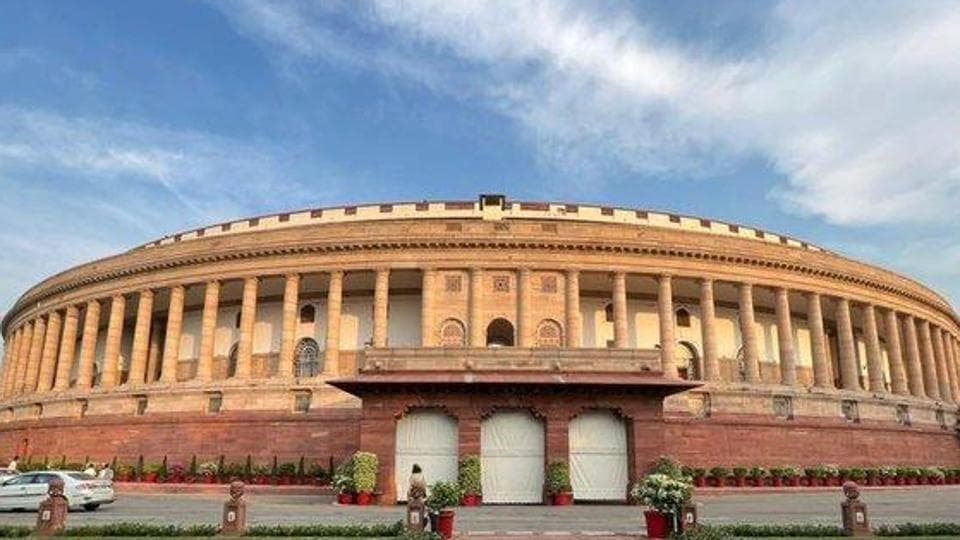
The bill seeks to decriminalise minor offences to promote ease of business.
“There are several offenses in our country where small mistakes lead to people facing legal action and facing the brunt of the courts. Our government is of the belief that we should trust people; a common businessperson wants an honest establishment for honestly earning their livelihoods,” said Goyal while introducing the Bill.
Noting the reasons for introducing the Bill, Goyal noted, “People who have made small mistakes should not be sent to court because of that. They should be given a penalty, but they shouldn’t end up in a legal situation. We believe that people’s trust and the businessperson’s trust is extremely important, and it will also reduce the burden on courts.”
Also Read: India, UK to hold 7th round of talks on FTA in early 2023
The statement of objects and reasons of the Bill states, “To amend certain enactments for decriminalizing and rationalizing minor offenses to further enhance trust-based governance for ease of living and doing business.”
A unique feature of the proposal is an increase of 10% of the minimum amount of fine and penalty levied, after the expiry of every three years, once the bill becomes a law.
The introduced Bill has been referred to a 31-member joint committee of Parliament for scrutiny.
The members from the Lok Sabha include PP Chaudhary, Sanjay Jaiswal, Queen Ojha, Rajendra Agrawal, Gaurav Gogoi, A Raja, Rajendra Agarwal, Poonam Pramod Mahajan, and Sougata Ray.
The Bill will seek to amend acts such as the Press and Registration of Books Act 1867, the Boilers Act 1923, the Public Debt Act 1944, and the Indian Forest Act 1927.


