
 E-Paper



Khaja Moideen, aide acquitted of IS-linked terrorism charges
Moideen is under investigation by different police and keeps on moving between Tihar jail and prisons in Tamil Nadu.

 Prefer HTon Google


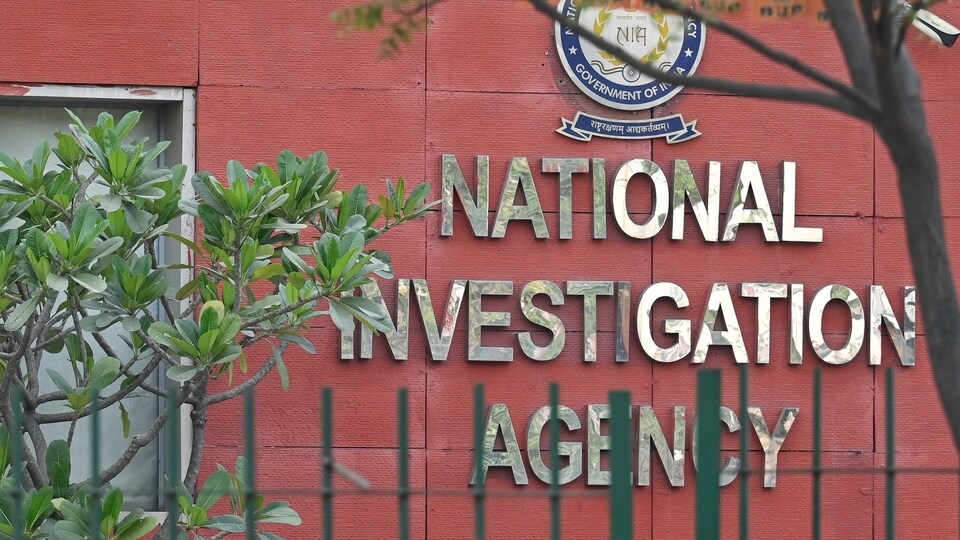
In a major embarrassment for the National Investigation Agency (NIA), a Chennai court has acquitted Khaja Moideen, portrayed by the agency as a key figure in the IS network in India, a man responsible for the alleged radicalisation of young men whom he shipped off to Syria, and part of terror modules across three southern Indian states, Tamil Nadu, Kerala and Karnataka.
Moideen is under investigation by different police and keeps on moving between Tihar jail and prisons in Tamil Nadu. He is currently lodged inside Bengaluru prison.
The court also acquitted his associate, Ansar Meeran, of terrorism conspiracy charges but sentenced him to four years imprisonment for harbouring a Singapore national of Indian origin, Haja Fakrudeen, who, along with Moideen, was allegedly instrumental in radicalising people during his multiple visits to Chennai in 2013 and was one of the first to join IS in Syria from India, along with his family in January 2014.
Also read | Drones, dark web, crypto: Decoding ‘Prahaar’, India's first counter-terrorism policy
The federal anti-terror probe agency registered a case in 2017, naming 10 people, the majority hailing from Tamil Nadu, in its probe of IS activities in India from 2013 to 2016. It alleged that Fakrudeen and Moideen created a terror module that raised and received funds, organised camps, recruited and trained individuals and facilitated their travel to Syria to join IS.
In 2018, it filed a charge sheet against only Moideen, Fakrudeen (absconding), Ansar Meeran and Shakul Hameed ( who had attempted to travel to Syria in 2015 but was deported by Turkish authorities to India). Hameed later turned NIA approver in the case.
“No evidence connecting Khaja Moideen and Ansar Meeran”
“There is no evidence connecting Khaja Moideen and Ansar Meeran to any terrorist organisation including IS. There are no materials on record (to) show that they belonged to IS or that they were recruiting gullible youth for IS,” the special NIA court in Chennai ruled in its judgement on June 10 .
It added: “There is no evidence, worth credence, suggestive of the fact that accused persons hatched a criminal conspiracy to join IS and also to recruit other persons to wage war against Syria.”
Mohammad Thabrez, who also attempted to travel to Syria, was made approver in the case by NIA.
The court observed that there is no evidence, even in the testimony of the approvers, which implicates Moideen and Meeran for any terrorist activity.
“The evidence given by the approvers would show that there was no discussion of anything linked to terrorism or any form of violence”.
The ruling highlights that NIA failed to establish a meeting of minds to commit an illegal act through illegal means.
“The prosecution did not prove that Moideen and Meeran conspired and due to the said conspiracy approvers joined the proscribed terrorist organisation by name ‘IS’. Merely having contact with each other will not be sufficient in order to prove the existence of conspiracy between them”, it ruled.
NIA did not respond to queries.
Moideen was first arrested by Tamil Nadu Police in 2004 for organising a training camp at Nellikuppam wherein people were allegedly converted to Islam and trained in handling weapons and martial arts. He was later arrested by Chennai police in July 2014 in connection with the murder of Hindu Munnani member KP Suresh Kumar in June 2004.
He was released on bail in July 2019. The Delhi Police arrested him in 2020 after a brief shootout for an alleged terror conspiracy.


