
 E-Paper



Kolhapuri chappals, Goa's feni: Big boost for these Indian products after India-UK FTA
The India-UK agreement will double trade between the two economies from $56 billion currently to around $120 billion by 2030.

 Prefer HTon Google


The India-UK Free Trade Agreement (FTA), signed on Thursday, is set to be a major boost for Indian manufacturing and local entrepreneurs as the removal of tariff barriers would allow Indian labour-intensive goods to compete in the British market.
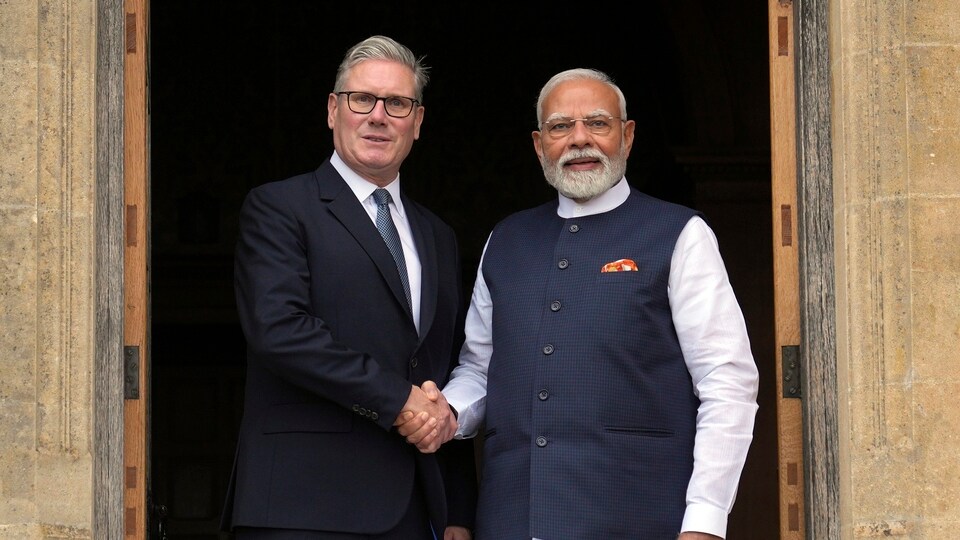
The free trade deal, officially Comprehensive Economic and Trade Agreement, will provide duty-free access to Indian goods such as leather, electrical machinery and chemicals in the British market.
The India-UK agreement, which would provide a level playing field for Indian products in the British market, will double trade between the two economies from $56 billion at present to around $120 billion by 2030.
Also Read: India-UK sign FTA, PM Starmer calls it 'most significant' deal since EU exit
The FTA is set to benefit a wide range of Indian products- from fruits to Goa's feni, from Kolhapuri chappals to jackfruit, and from basmati rice to textiles.
In a post on X, Commerce and Industry Minister Piyush Goyal said that the FTA will allow duty-free access to about 99 per cent of Indian exports, unlocking nearly $23 billion in opportunities for labour-intensive sectors.
How India benefits from FTA?
The FTA would allow India duty-free access in agriculture goods in the UK, such as fruits, vegetables, spices and other agro-based products. Over 95 per cent of agricultural and processed food tariff lines will attract zero duty.
This means that Indian products like cereals, turmeric, pepper, cardamom, and processed goods like ready-to-eat food, mango pulp, pickles, and pulses would be exported duty free to the UK.
Also Read: Duty on single malt cut by half: What gets cheaper with key India-UK trade deal
The agreement will also create market access for products like jackfruit, millets, and organic herbs.
Several traditional craft beverages, including Goa's feni, Nashik's artisanal wines, and Kerala's toddy, are also set to gain recognition with Thursday's deal.
Several Indian states to benefit
Apart from agri products, the fisheries sector is also set to benefit with states like Andhra Pradesh, Odisha, Kerala and Tamil Nadu are expected to enter marine import market in the UK.
The FTA also means that Maharashtra can export grapes and onions and Gujarat could send groundnut and cotton. Punjab and Haryana could export basmati rice, Kerala could send spices and fruit-based products from the Northeast states.
Concessional rate to labour-intensive products
The removal of tariffs would also help Indian women producers to freely access the UK's $23 billion market for labour-intensive goods such as textiles, leather, and footwear.
Also Read: UK-India vision 2035 roadmap to boost trade and defence cooperation
It would also allow the export of labour-intensive products like leather, footwear and clothing at a concessional rate to British markets.
The agreement would empower women across sectors, including handlooms, heritage crafts, and clean manufacturing, by helping them integrate into global value chains, access finance, and expand their production.
Kolhapuri chappals in UK stores
The iconic Kolhapuri chappals crafted by women and family-run artisan groups in Maharashtra are also set to gain as the FTA allows the leather footwear products duty-free access to the UK market.
The move will not only boost local and family-based manufacturing, but also help increase brand recognition, preserve cultural identity, and supporting exports of sustainable goods.
Apart from Kolkhapuri chappals, the looms of Varanasi, the digital labs in Hyderabad and artisan clusters in Rajasthan are also set to benefit from the deal with the UK.


