India and China have agreed to expeditiously complete the disengagement of their border troops along the Line of Actual Control (LAC) and not to take any unilateral action to alter the status quo along the disputed border, the external affairs ministry said on Monday.
The agreement was reached during a phone conversation between the Special Representatives of the two sides on the boundary issue, India’s National Security Advisor Ajit Doval and China’s foreign minister Wang Yi, on Sunday, the ministry said in a statement.
This was the first contact between the Special Representatives since the border standoff between the two sides began in May. The two countries have held discussions through diplomatic and military channels, including the corps commanders and the Working Mechanism for Consultation and Coordination (WMCC) on border affairs.
Also read | NSA Ajit Doval talks to China’s Wang Yi, troops pulled back along LAC: Read full statement here
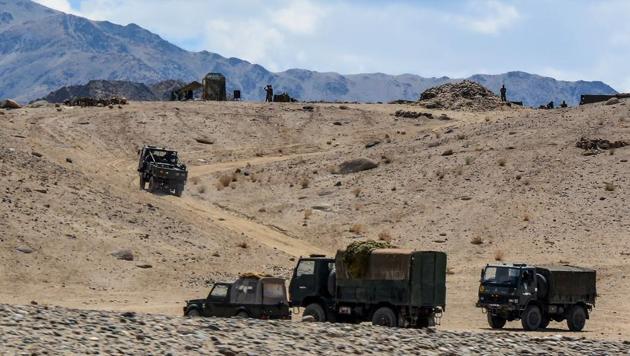
The statement was issued against the backdrop of reports that troops from both sides had pulled back in a limited manner at several key points in the Ladakh sector.
{{/usCountry}}The statement was issued against the backdrop of reports that troops from both sides had pulled back in a limited manner at several key points in the Ladakh sector.
{{/usCountry}}The Special Representatives agreed it was necessary to “ensure at the earliest complete disengagement of the troops along the LAC and de-escalation from India-China border areas for full restoration of peace and tranquillity”, the Indian readout said.
They agreed that both sides “should complete the ongoing disengagement process along the LAC expeditiously” and also “ensure a phased and stepwise de-escalation” in the border areas.
“They reaffirmed that both sides should strictly respect and observe the Line of Actual Control and should not take any unilateral action to alter the status quo and work together to avoid any incident in the future that could disturb peace and tranquillity in border areas,” the statement said.
Also read | China pulls back troops in Galwan Valley by at least a km: Official
Doval and Wang, who had last met in New Delhi on December 21, had what was described as a “frank and in-depth exchange of views” on recent developments in the western sector of the India-China border areas, or Ladakh, which has been the focus of tensions that have taken bilateral relations to a fresh low.
The two sides had deployed additional forces at several key stretches of the LAC after Chinese troops trespassed across the disputed border and hindered patrolling by Indian troops. A violent face-off in Galwan Valley on June 15 had left 20 Indian soldiers dead and resulted in unspecified Chinese casualties.
The Special Representatives agreed that both sides should take guidance from the consensus of leaders of India and China that maintenance of peace and tranquillity in the border areas is essential for further development of bilateral relations and that the “two sides should not allow differences to become disputes”.
They further agreed that diplomatic and military officials of the two sides should continue their discussions, including under the framework of the WMCC, and implement understandings reached in a timely manner to achieve the disengagement and de-escalation.
The Special Representatives also agreed to continue their conversations to “ensure full and enduring restoration of peace and tranquillity in the India-China border areas in accordance with the bilateral agreements and protocols”.