
 E-Paper



Literature can play role in resolving political, social tensions: Vinod Kr Shukl
The 88-year-old 2023 Jnanpith laureate continues to captivate readers with his rare blend of restraint and radical imagination

 Prefer HTon Google


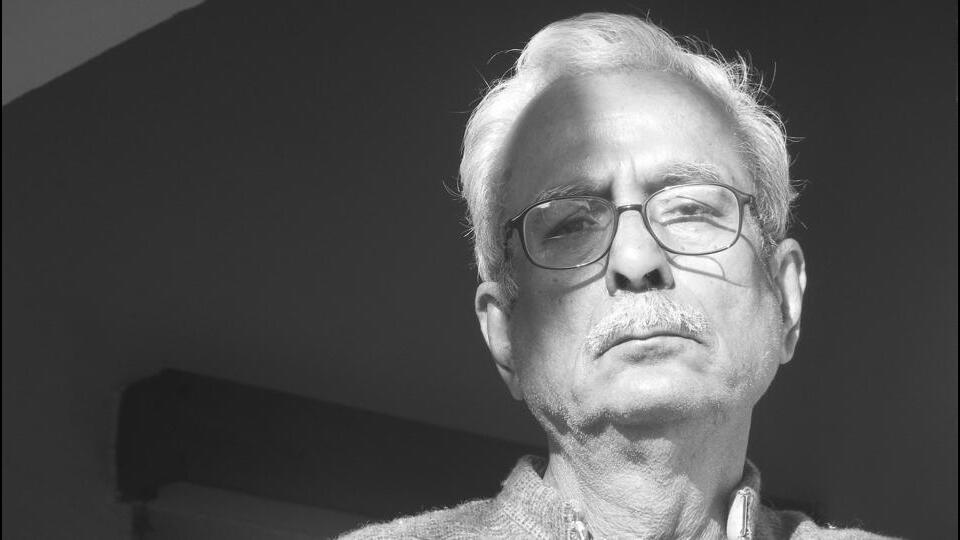
In the leafy stillness of Raipur bubbled inside a pacing life, resides Vinod Kumar Shukl, one of Indian literature’s most enigmatic masters. The 88-year-old 2023 Jnanpith laureate continues to captivate readers with his rare blend of restraint and radical imagination. Known for his minimalist, surreal prose and simple poetry, Shukl doesn’t just write about the ordinary—he dignifies it.
His writings strip the ordinary of its anonymity.
In a conversation with Hindustan Times, Shukla revisited his poetic beginnings in Rajnandgaon, reflected on the subtle politics of language, and explored the quiet rebellion that literature can stage in a fractured world.
Congratulations on the Jyanpith Award. How do you view this award and literary awards in general?
Thank you. No writer writes for awards. When you walk the path of writing, awards may come your way.
What kind of memories do you have from the time of your first poetry collection? Any incidents or recollections you’d like to share?
My first poetry collection was Lagbhag Jai Hind. Ashok Vajpeyi selected poems for a series called Pahchan, and published them under the title Lagbhag Jai Hind.
At that time, he was probably the Collector in Mahasamund. He phoned the Collector of Raipur and requested him to collect my poems, get them typed, show the drafts to me, and send them across.
Your most distinct identity among contemporary poets is your language style—how did this simple, direct, and clear language evolve for you?
My style developed as a way to express myself as fully as possible. It is natural to me.
Your birth and writing both began in a small town in Chhattisgarh. How has this country influenced your literature?
I was born and began writing in Rajnandgaon. My home environment was nurturing. My mother’s childhood was in Jamalpur, now in Bangladesh. She married in Rajnandgaon. She used to recall Bengali authors and encouraged me to read.
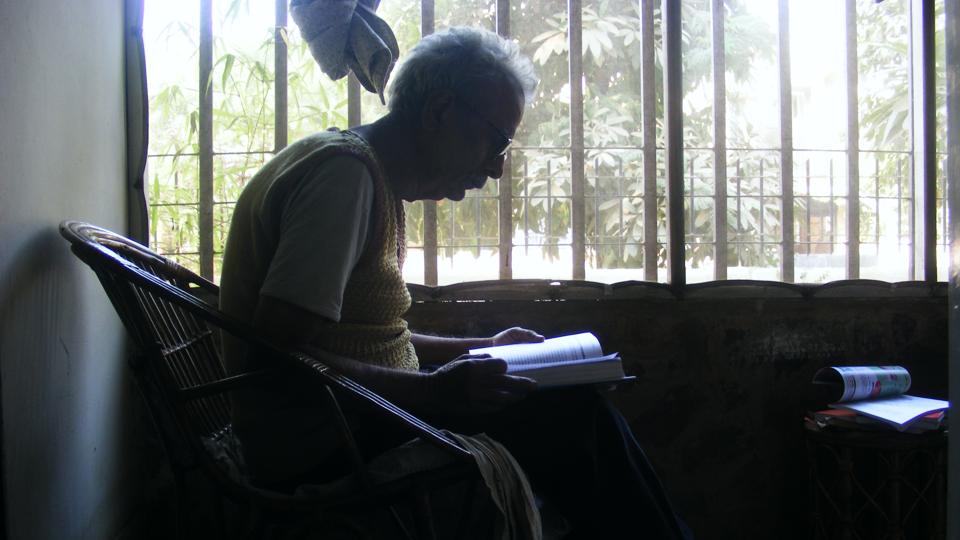
I would buy books with my pocket money. I remember buying Vijaya by Sharatchandra for two rupees.
The Maoist movement has provoked intellectual debate. Do you think literature has a role in addressing such political and social complexities?
Absolutely. Literature can play a role in resolving political and social tensions. But this can only happen when literature is integrated into both politics and society. The real question is—where and how much space does literature have in society? Politics, perhaps, will never want literature to hold a significant place, because literature should always remain in opposition to power.
The Maoist movement is both a political and a social movement. It influences writing, but only to the extent of the writer’s personal experience.
What is undeniable is that in this political clash between Maoism and its suppression, only the tribals and humanity are losing.
Also Read: ‘I am happy the Jnanpith came to me for my work in Urdu’: Gulzar
Have local dialects and oral traditions of Chhattisgarh influenced your writing?
Yes, the Chhattisgarhi dialect has influenced my writing.
Your works like “Kabhi Ke Baad Abhi” and “Naukar Ki Kameez” are equally significant for both the common reader and the literary world. Do you believe literature should be written in a simple language?
A writer tries to express themselves to the fullest in the style that is natural to them. It may appear easy or difficult depending on the reader.
You are often referred to as “a poet’s poet.” Has poetry been more important to you than prose?
Both poetry and prose are equally important for my expression. Sometimes while writing prose, I find myself in poetry.
What was your experience like writing for children? Do you think enough literature is being written for today’s children? Why is it important for writers to engage with children’s literature?
I enjoy writing for children. While writing for them, I often end up writing for adults too.
How do you see the relationship between literature and cinema? Do you think a good film or play can be made based on your works?
Cinema is also a powerful medium of expression. Through it, we both see and hear. There have been plays based on my works. Films too have been made.
What kind of impact do awards and recognitions have on a writer’s writing?
Awards and recognition usually have a positive impact, as they bring attention to the writer’s work.
At a time when reading habits are declining, what advice would you give to young writers?
Keep writing. Write with faith in your own writing.
Between your identity as a poet and a storyteller, which do you consider more your own?
I consider myself a poet.
In Naukar Ki Kameez, to what extent is the “shirt of a conscious writer” present?
The shirt of the writer is indeed “Naukar Ki Kameez.”
Does poetry create a new kind of humanity?
Poetry affirms humanity.
Your poetry seems to form a bridge between the sensibilities of Muktibodh and Bhawani Prasad Mishra. It feels like your poetry expands their shared emotional vision. What would you say to this?
The literary sensitivity of great writers has deeply influenced me.
There were past concerns raised about how your books were handled by publishers Vani and Rajkamal, particularly regarding royalties. What’s the situation now?
I’m now receiving fairly proper royalties from Rajkamal.
Also Read: Eminent Assamese poet Nilamani Phookan conferred with Jnanpith Award 2020
But I’ve ended all my contracts with Vani Prakashan. I’ve repeatedly written to them to immediately stop publishing my books. Yet they continue to publish and sell them. For the past four years, I’ve stopped accepting royalties from them.
What can I say? I’m deeply hurt by Vani Prakashan’s conduct. Their behaviour feels exploitative and cruel.
-kW0H-U20214218012MgB-250x250%40HT-Web.jpg)


