E-Paper



Lok Sabha speaker Om Birla reconstitutes Justice Yashwant Varma probe panel
The committee is probing the allegations against high court judge Yashwant Varma over the discovery of unaccounted cash at his official residence in Delhi last year

 Prefer HTon Google


Lok Sabha speaker Om Birla has reconstituted the three-member committee probing the allegations against high court judge Yashwant Varma over the discovery of unaccounted cash at his official residence in Delhi last year, with effect from March 6.
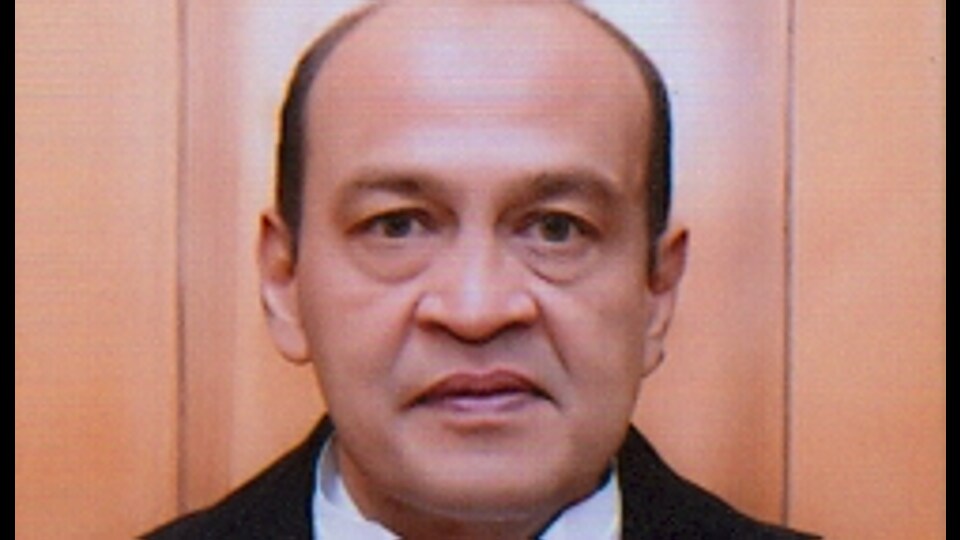
The move came ahead of the retirement of Madras high court chief justice MM Shrivastava, who is part of the original panel, on March 6. HT on February 9 first reported that the committee had expedited its in-camera proceedings because of Justice Shrivastava’s impending retirement. It reported that if the inquiry was not concluded before his demitting office, the panel would have to be reconstituted.
The new panel comprises Supreme Court judge Justice Aravind Kumar, Shree Chandrashekhar, chief justice of the Bombay high court, and senior advocate BV Acharya.
A three-member committee, comprising a Supreme Court judge, a high court chief justice, and a distinguished jurist, is constituted to investigate the charges once a motion seeking the removal of a judge is admitted under the Judges (Inquiry) Act. The committee frames charges, records evidence, and allows the judge to defend himself, including examining and cross-examining witnesses. The motion can then be taken up for consideration and voting in Parliament if the panel finds the judge guilty of misbehaviour or incapacity.
Justice Varma is facing removal proceedings following allegations that burnt unaccounted cash were discovered at his official residence after a fire in March 2025, when he was serving as a Delhi high court judge.
A Supreme Court inquiry panel found his explanation unsatisfactory, prompting then Chief Justice of India Sanjiv Khanna to recommend action to the executive.
Notices seeking Justice Varma’s removal were moved in both Houses of Parliament in July 2025. The Lok Sabha admitted the motion on August 12 and constituted the inquiry committee. The Rajya Sabha declined to admit a parallel motion.
In January, the Supreme Court cleared the way for the inquiry to proceed, holding that constitutional safeguards for judges cannot be used to paralyse the removal process and that the statutory framework provides adequate protection to judicial independence. It rejected Justice Varma’s challenge to the Speaker’s decision to set up the panel, ruling that he had failed to establish any present or inevitable violation of his fundamental rights.
The court underlined that the Judges (Inquiry) Act provides “elaborate safeguards” to the judge facing removal proceedings. These include the framing of definite charges, full opportunity to defend himself, the right to examine and cross-examine witnesses, and adjudication by senior constitutional functionaries. The bench held that the statutory scheme sufficiently protects judicial independence while ensuring that allegations of misbehaviour are examined effectively.
Justice Varma first appeared before the committee on January 24, after the Supreme Court dismissed his petition challenging the initiation of impeachment proceedings against him. Since then, at least five more hearings have taken place before the panel, with the committee indicating its preference for day-to-day proceedings.