E-Paper



Maiden pharma skipped key testing in cough syrup: Notice
Propylene glycol, which is used to manufacture drugs, can contain contaminants diethylene glycol and ethylene glycol – the two toxic chemicals have been named by the World Health Organization (WHO) as possible causes for the deaths – and strict quality control needs to be ensured, according to experts.

 Prefer HTon Google


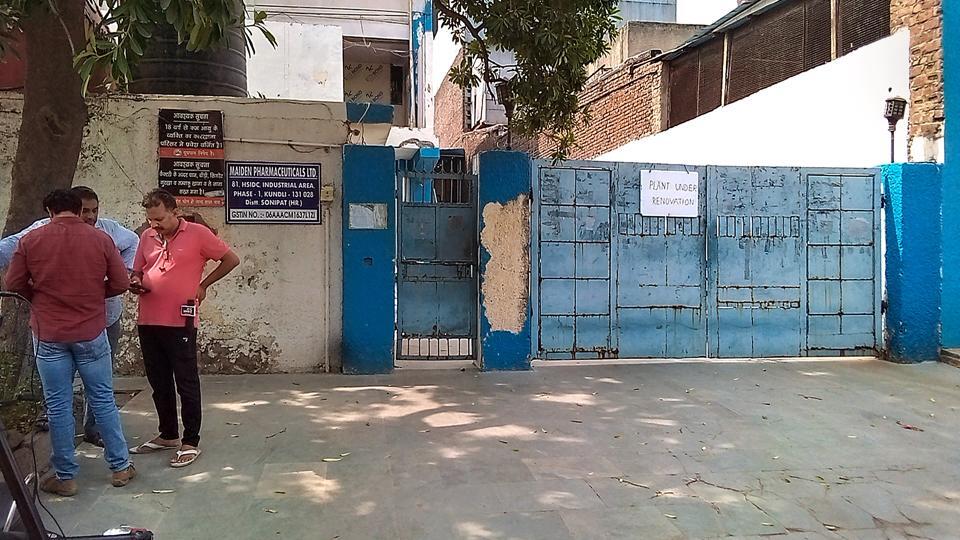
Maiden Pharmaceuticals Limited, a firm that is under scrutiny for four “substandard” and “contaminated” cough syrups potentially linked to the deaths of 66 children in The Gambia, did not perform quality testing of a raw material used in the manufacture of one of the medicines, according to a notice sent after an official inspection.
Propylene glycol, which is used to manufacture drugs, can contain contaminants diethylene glycol and ethylene glycol – the two toxic chemicals have been named by the World Health Organization (WHO) as possible causes for the deaths – and strict quality control needs to be ensured, according to experts.
According to an October 7 show-cause notice issued by the Haryana drug authorities to Maiden Pharmaceuticals after a joint inspection with the Central Drugs Standard Control Organisation (CDSCO), “The firm has not performed the quality testing of propylene glycol for diethylene glycol and ethylene glycol.” The pharma company has to reply to the notice by October 14, failing which action may be taken against it.
According to the notice, a batch of propylene glycol received and analysed in March 2022 was shown to be the same one that was used to manufacture a batch of MaGrip n Cold Syrup in December 2021, which indicates that it was not likely tested for quality and the paperwork was not in order, people aware of the matter said.
“Propylene glycol (batch number E009844) having manufacturing date of Sept 2021 and expiry date of Sept 2023 was used in manufacturing of Promethazine Oral Solution, Kofexmalin Baby Cough Syrup, and MaGrip n Cold Syrup having a product expiry of November 2024,” the notice said, indicating that the shelf life of the drugs was fixed to be longer than the expiry period of the raw material.
The four cough syrups linked to the deaths in the West African nation are Promethazine Oral Solution, Kofexmalin Baby Cough Syrup, Makoff Baby Cough Syrup, and Magrip N Cold Syrup.
Pharmaceutical experts said tests should have been performed on the propylene glycol stocks to check for the contamination of diethylene glycol and ethylene glycol. “Propylene glycol is expensive and many a times, defaulting pharmaceutical companies mix it with diethylene glycol and ethylene glycol,” said an expert.
In an alert issued recently, WHO said that laboratory analysis of samples of each of the four products confirmed that they contained unacceptable amounts of diethylene glycol and ethylene glycol as contaminants.
Listing out a series of contraventions found during the inspection of Maiden Pharmaceutical’s manufacturing facility in Kundli, Sonepat, the Haryana drug controller said that the batch number of propylene glycol, sorbitol solution and sodium methyl paraben used in the manufacturing of the drugs in question were not mentioned in the certificate of analysis report.
“The firm has not performed process validation and analytical method validation for the drug products in question. The firm has submitted six month real time and accelerated stability data of drugs in question. However, at the time of investigation none of above said products were found to be (monitored) in stability chamber,” the state drug controller said in the notice.
The inspecting authorities also found that the manufacturing and expiry dates were missing on the certificate of analysis of certain batches of propylene glycol. “Propylene glycol (batch number E1007/UP, E1105149) had failed as per certificate of analysis for the test in respect of water but was declared as of standard quality,” the notice added.
Also, batch numbers, manufacturer name, and manufacturing and expiry dates were not found on purchase invoices of items used, including propylene glycol.
The show-cause notice was issued to the pharmaceutical company under Section 85 (2) of the Drugs and Cosmetics Rules, which pertain to the cancellation and suspension of licence of firms. Section 85 (2) empowers the licensing authority to cancel or suspend the manufacturing and export license of medicines if the licensee fails to comply with any of the provisions of the Drugs and Cosmetics Act or Rules. The action is taken after issuing a show-cause notice to the errant company to provide it with an opportunity to explain its side of the story.