E-Paper



MP clears Bill to curb illicit liquor trade, provides for capital punishment
The Bill that provides for the death penalty and fine up to ₹20 lakh for anyone convicted for the second time of making and supplying spurious liquor that causes death

 Prefer HTon Google


The Madhya Pradesh assembly on Tuesday passed the Madhya Pradesh Excise (Amendment) Bill that provides for the death penalty and fine up to ₹20 lakh for anyone convicted for the second time of making and supplying spurious liquor that causes death.
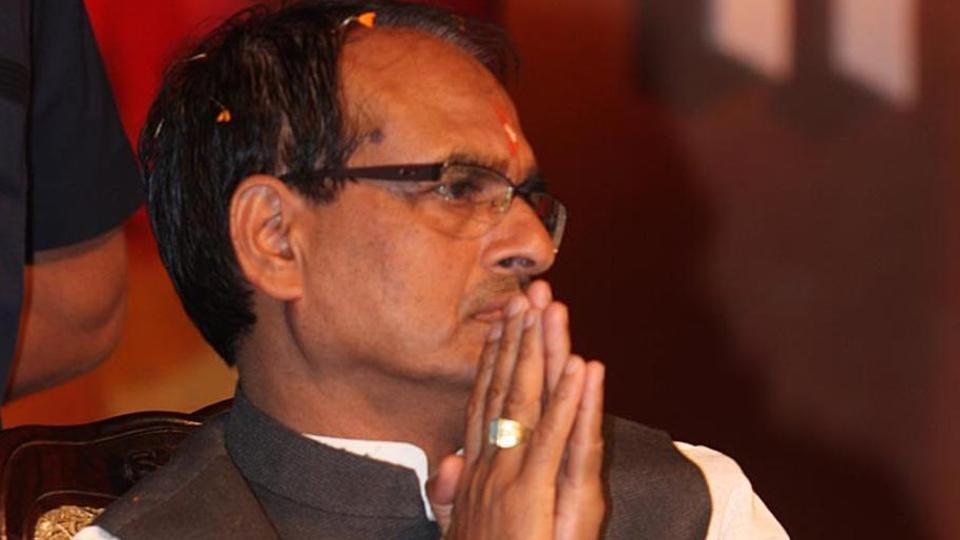
Finance and excise minister Jagdish Deora, who tabled the bill, said the proposed law that has been sent to governor Mangubhai Patel for approval will curb the sale and manufacturing of illicit liquor in the state. “With the amendment in the Act, we are taking tough action. Recently, we raised a dhaba of illicit liquor supplier in Mandsaur,” he said.
The excise law in the state earlier provided for imprisonment of two months to 10 years for those convicted of involvement in illicit liquor trade for the first time and life imprisonment for the second.
Officials cited the deaths of about 50 people after consuming illicit liquor over the last 11 months and said this prompted the government to seek an amendment to the law.
Also Read | MP assembly passes supplementary budget amid protests by Opposition
“If consumption of illicit liquor causes the death of a human being, there is a provision of imprisonment which shall not be less than two years but may extend to life imprisonment and shall also be liable to a fine of ₹five lakh. When the person is convicted under this section for a second or subsequent offence there is a provision of imprisonment for capital punishment and shall also be liable to fine up to ₹20 lakh,” says the Bill.
“In case of liquor is found unfit for human consumption, there is a provision of imprisonment which shall not be less than six months, but may extend to six years and shall also, be liable to fine up to ₹1 lakh. In a case of consumption of illicit liquor caused injury to human beings, there is a provision of imprisonment which shall not be less than two years but may extend to eight years and shall also be liable to a fine up to ₹2 lakh.”
The Opposition welcomed the passage of the Bill. “Everybody knows the mafia became so active during the tenure of the Bharatiya Janata Party (BJP)-led state government. During the 15-month tenure of (former chief minister), Kamal Nath, all land, sand, and illegal liquor mafias and anti-social elements went underground as tough action was being taken against them. But they again resumed their work when BJP came to power (in March 2020). Now, they are trying to rectify their mistake by increasing punishment,” said Congress leader Sajjan Verma.
BJP leader Hitesh Bajpai said this is for the “first time any government has come up with tough laws against adulteration”. “Earlier, the government introduced capital punishment for adulteration in food products and now in liquor. Congress leaders believe in blaming... but the BJP government believes in working to bring change in the lives of people.”