
 E-Paper



Myanmar tells India: No Chinese on Coco Islands
However, Naypyitaw is still to accede to Indian Navy request to visit Coco in Bay of Bengal.

 Prefer HTon Google


Myanmar has assured India that there is no Chinese presence at Coco Islands in Bay of Bengal, but people familiar with the matter say Naypyitaw is sitting on New Delhi’s request to allow its Navy to visit the Island chain which is less than 100 miles from the Indian Landfall Island.
HT learns that the Myanmar Junta told India’s visiting defence secretary Rajesh Kumar Singh last month that not a single Chinese national was present in the Coco Islands in an effort to allay Indian concerns over Beijing using the Islands as a listening post in the Bay of Bengal. Singh was in Naypyitaw for the second annual defence dialogue with Major General Kyaw Ko Htike, Chief of Myanmar armed forces training, on September 25-27.
But the Junta has still not given clearance to the Indian Navy to visit the island chain despite requests through institutionalized diplomatic and military channels, the people cited above added. The Indian Navy has asked Myanmar to be allowed to pay a visit to Coco Islands but the request has elicited no response from the ruling Junta.

The Indian concern over Coco Islands is that Myanmar has allowed China to establish monitoring and surveillance facilities to track Indian missile launches off the Balasore test range as well as track movement of India’s nuclear ballistic missile submarines from and to the newly constructed naval base at Rambilli, just 50 kilometers from Visakhapatnam. The nuclear and conventional missile test range at Balasore and at the APJ Abdul Kalam island are virtually at the same latitude as the Coco Island chain. The suspicion of Indian national security planners is that China is using Coco Islands to assess range, capability and lethality of India’s strategic deterrent using air surveillance and ballistic missile trackers often seen in the Indian Ocean Region.
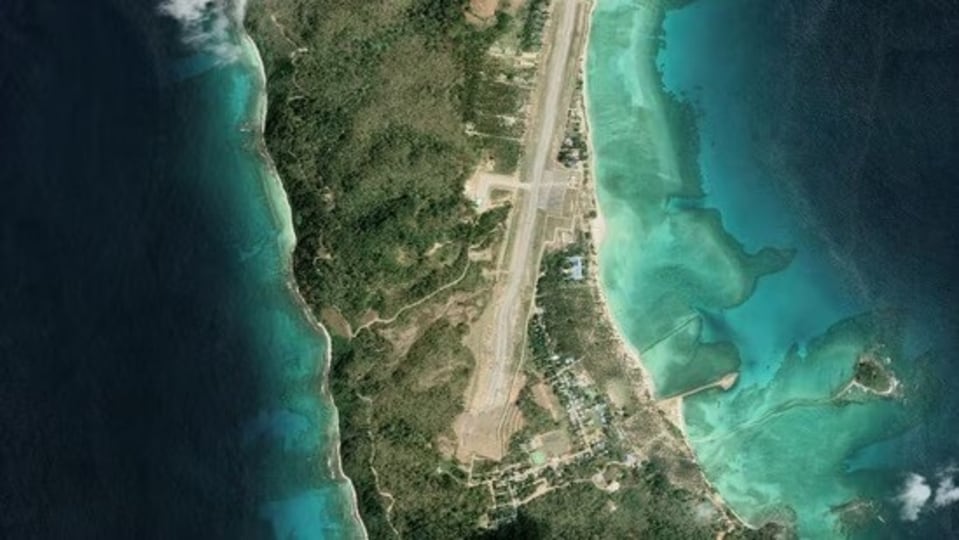
While India has no means to physically verify the presence of Chinese nationals, satellite imagery of the island chain reveals major infrastructure development on Coco, which lies in India’s back yard and is located less than 100 nautical miles off India’s Andamans and Nicobar Island territory.
Intelligence inputs based on aerial surveillance shows that the runway at the Coco Islands has been extended to accommodate transport aircraft flights and new sheds/barracks have been constructed to house more than 1500 military personnel. Work is in progress to link Coco with adjacent Jerry Island by construction of a causeway with land being cleared by the military personnel.
Even though the Myamnar government claims that there is not a single Chinese soldier in their country, Naypyitaw’s writ hardly runs in the north as well as west of Chindwin river. China-linked insurgent groups and heavily armed drug militias rule North Myanmar and have presence across India’s eastern borders, particularly across Vijaynagar salient (a piece of land that protrudes at an angle) in Arunachal Pradesh and across Manipur.


