
 E-Paper



New criminal laws, deepfake on agenda of top cops’ meeting in Jaipur
Top police officers said they were hopeful of getting a better idea about the new laws at the conference

 Prefer HTon Google


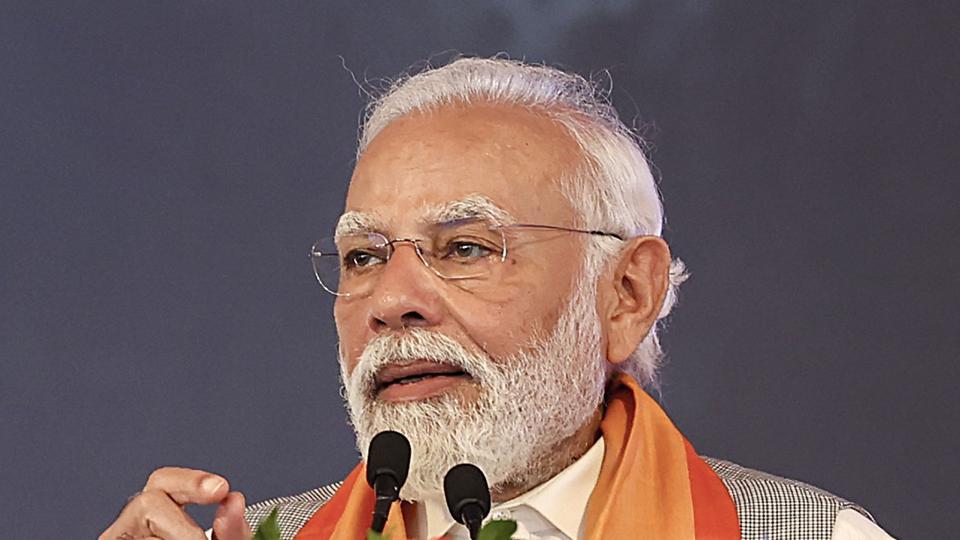
Implementation of the three new criminal laws and the challenges posed by Artificial Intelligence (AI) technologies and deepfake media are among key agendas to be discussed at the All-India Annual Conference of Director General and Inspector General of Police to be held in Jaipur between January 5 and 7, the Prime Minister’s Office (PMO) said in a statement on Thursday. Prime Minister Narendra Modi is scheduled to attend the conference.
Also read: Top cops to discuss terror threats, pro-Khalistan groups in Jaipur conclave
“The three day Conference, being held from January 5th to 7th, will discuss a wide range of policing and internal security issues including cybercrime, technology in policing, counter terrorism challenges, Left Wing Extremism, prison reforms, among others. Another key agenda of the conference is deliberations on the road map for implementation of the new criminal laws,” the PMO said in a statement.
The statement added: “Further, the conference will also deliberate on futuristic themes in policing and security like the challenges posed by new technologies such as AI, Deepfake etc. and ways to deal with them. The conference also provides an opportunity to identify tangible action points and monitor their progress, which is also presented before the Prime Minister every year.”
The laws – Bharatiya Nyaya Sanhita, Bharatiya Nagarik Suraksha Sanhita and Bharatiya Sakshya — which seek to replace colonial era Indian Penal Code, Criminal Procedure Code and Indian Evidence act, were passed by Parliament last month and have been assented by the President.
The three laws have key changes that deal with offences of terrorism, crimes against women, acts against the State, registration of e-FIRs, make electronic evidence a form of primary proof and collection of evidence from crime spots. It will also be mandatory for police to record photo and video evidence of crime spots, use them as evidence in trial. For crimes that are heinous, forensic experts will have to come to the spot and take evidence.
Top police officers said they were hopeful of getting a better idea about the new laws at the conference. “Most of us are looking forward to hearing from the two senior-most people in the government. For DGPs of states with fewer resources at their disposal, they will want to know from the government about the road map or the resources they will get. It is not just about new sections under the new criminal law. The whole criminal justice system has been changed for the better,” a senior police officer said, requesting anonymity.
Another senior officer said the conference will help the police in understanding the new laws. “Police chiefs will be able to discuss the infrastructure they need to implement the laws effectively. A police station in a city and another in a faraway place do not have same resources,” the officer said.
According to the PMO statement, the conference is the culmination of extensive deliberations involving police and intelligence officers from district, state and national levels on identified themes. Best practices from States/ UTs under each of the themes will be presented at the conference so that states can learn from each other.
The government has also intensified its scrutiny on abuse of AI for uses such as deepfakes, a type of visual or audio content that is generated artificially but can seem difficult to identify as fake.


