The All India Trinamool Congress (TMC) has won all three assembly constituencies (ACs) in West Bengal which went for bypolls on Monday. The TMC won only one of these three ACs in the 2016 assembly elections and the 2019 Lok Sabha elections (the last, if the results are disaggregated at the AC level). While the TMC, Bharatiya Janata Party and the Congress won the Karimnagar, Kharagpur Sadar and Kaliaganj ACs respectively in 2016 elections, the BJP led in both Kaliaganj and Kharagpur Sadar ACs with a 50% plus vote share in the 2019 Lok Sabha election.
A comparison of vote shares in these three ACs for 2016 assembly elections, 2019 Lok Sabha elections and the current bypolls reveals what could be an important development in the ongoing churn in the state’s politics. To be sure, voters do vote differently in state, national, and by polls.
TMC’s vote share in these three ACs was more or less the same in both the 2016 assembly and 2019 Lok Sabha elections. However, the BJP made large gains at the cost of the Left and the Congress. The Left and Congress fought the 2016 elections in an alliance, while they contested separately in 2019. While the combined vote share of the Left and the Congress has come down between the 2019 Lok Sabha and Monday’s by-polls, it is the TMC which has gained from this decline rather than the BJP. In fact, even the BJP has lost its votes to the TMC in two out of three ACs. (See Chart)
The fact that the BJP led in two out of these three ACs in the 2019 Lok Sabha elections, raises questions on its ability to replicate its performance in the 2021 assembly elections. To be sure, by-poll results need not always manifest themselves into assembly or Lok Sabha elections. For example, an analysis of Gilles Verniers of Ashoka University showed that out of 35 by-elections which were held in Uttar Pradesh between 1962 and 2014, only 11 results matched the party that won the following general election.
{{/usCountry}}The fact that the BJP led in two out of these three ACs in the 2019 Lok Sabha elections, raises questions on its ability to replicate its performance in the 2021 assembly elections. To be sure, by-poll results need not always manifest themselves into assembly or Lok Sabha elections. For example, an analysis of Gilles Verniers of Ashoka University showed that out of 35 by-elections which were held in Uttar Pradesh between 1962 and 2014, only 11 results matched the party that won the following general election.
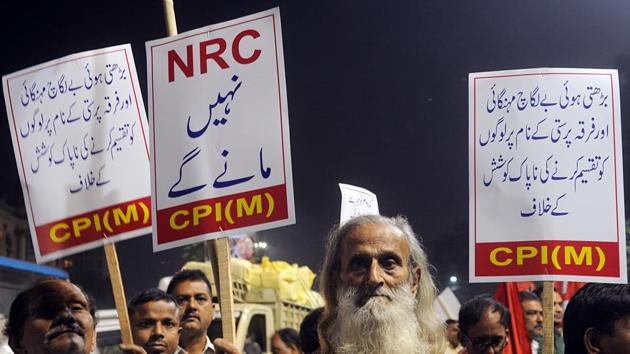
{{/usCountry}}This caveat notwithstanding, the bypoll results in West Bengal are politically significant. Two out of the three ACs, Karimpur and Kaliaganj are in Nadia and North Dinajpur districts, which border Bangladesh. The BJP’s decision of implementing National Register of Citizens (NRC) across the country is bound to have had a polarising impact in these regions, especially with Mamata Banerjee announcing that she would not allow NRC in the state. The BJP candidate from Kaliaganj, Kamal Chandra Sarkar, has admitted to the BJP’s inability to convince voters regarding NRC, while saying that the TMC’s counter campaign had a better effect.
If these by-polls are an indication of the mood on the NRC issue, the BJP might have something to worry about. While it will continue to have a significant vote share in the state, a consolidation of anti-NRC voters around the TMC might lead to a decline in the BJP’s seat share. With home minister Amit Shah reiterating his stand on a pan-India NRC, NRC may well emerge as the biggest fault line in West Bengal Politics