E-Paper



Oil imports decline 29% in April-September
The average cost of imported oil fell about 20.6% to $82.34 a barrel in the six months to September from $103.68 in the same period last year

 Prefer HTon Google


New Delhi: India’s crude oil imports fell 29% year-on-year to $63.4 billion in the first half of 2023-24, with a declining trend in the average monthly oil import bill since the September peak of $93.54 per barrel, providing some relief to the exchequer amid ongoing elections and deteriorating geopolitical situation, according to official data. Import volumes rose in the same period.
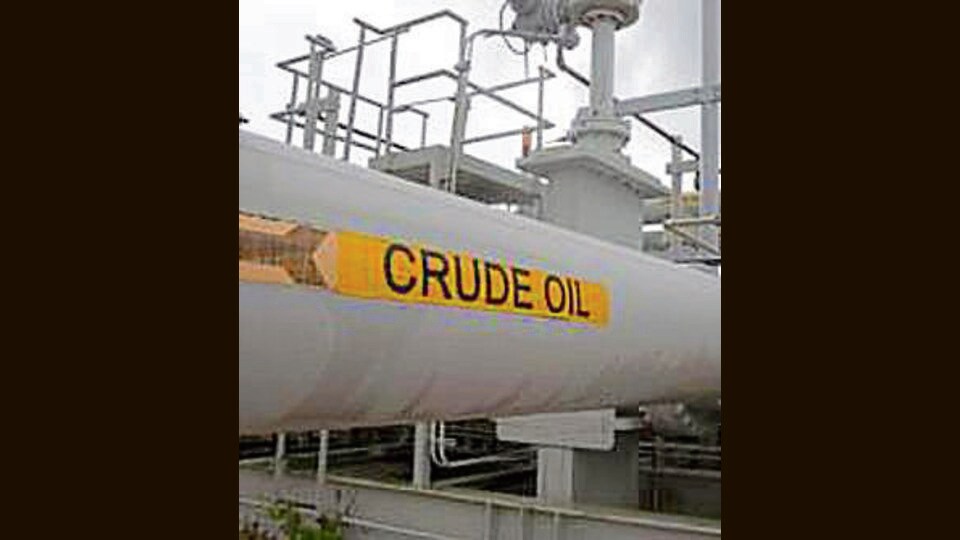
The average cost of imported oil fell about 20.6% to $82.34 a barrel in the six months to September from $103.68 in the same period last year, according to provisional data by the Petroleum Planning and Analysis Cell, an arm of the oil ministry.
The monthly average of import prices of crude oil in the current financial year started with $83.76 per barrel in April, then moderated below $75 in May and June. It firmed up again in July ($80.37) and peaked in September ($93.54) before dipping to $90.08 in October. The average price in the first seven days of November was $87.4 a barrel, below the previous month’s average.
India’s gross petroleum imports – crude and products taken together – also fell year-on-year by over 28% in the first half of current financial year to $74.1 billion, compared to $103.2 billion a year ago.
In terms of volume, there was an uptrend in imports of both crude oil and petroleum products, according to the data. While crude oil imports rose to 116.2 million tonnes in April-September compared to 115.7 million tonnes in the same period last year, imports of petroleum products rose to 22.8 million tonnes from 20.7 million tonnes.
Petroleum exports were, however, subdued during the six months in terms of both value and volume, the data showed. While they fell by less than 2% from 31.5 million tonnes to 30.9 million tonnes by volume, their value fell sharply by about 30% from $33 billion to $23.2 billion.
Crude oil prices in the international market are still subdued despite global headwinds and supply concerns due to the Ukraine war and the Israeli retaliation against Hamas’ October 7 terror attack.Benchmark Brent crude on Tuesday fell 1.9% in the afternoon to $83.58 a barrel on demand concerns amid disappointing Chinese trade data. West Texas Intermediate crude oil was trading over 1% lower at $80 a barrel. Saudi Arabia’s oil major Aramco on Tuesday reported a 23% fall in its third-quarter net profit because of both decline on volume of exports and lower price realisation.
Crude oil price volatility is one of the key concerns for India as an escalation of the war in West Asia could see a surge in energy prices. India, the world’s third largest consumer of crude oil after the US and China, imports over 87% of the oil it processes.
“We should not be immediately concerned about rising retail inflation if crude oil prices again started firming up because the volatility is neutralised by freezing pump prices of petrol and diesel. However, no immediate spike in international oil prices is visible,” a government official said, requesting anonymity.
According to the minutes of the Reserve Bank of India’s monetary policy committee (MPC) meeting held last month, one of the members, Jayanth R. Varma, professor of Indian Institute of Management, Ahmedabad, said: “A sharp fall in crude prices while the MPC meeting was in progress suggests that a slowing world economy does place a limit on the upswing in crude prices.”