E-Paper



On first day, CJI Surya Kant cancels same-day mention practice
Justice Surya Kant said the court’s time should not be consumed by mentioning requests, and that lawyers must adhere to the procedure he spelt out.

 Prefer HTon Google


On his first day as Chief Justice of India (CJI), Justice Surya Kant signalled a shift in the Supreme Court’s morning routine, announcing that the practice of listing matters on the same day upon oral mentioning would no longer be entertained, except in cases involving personal liberty or imminent execution.
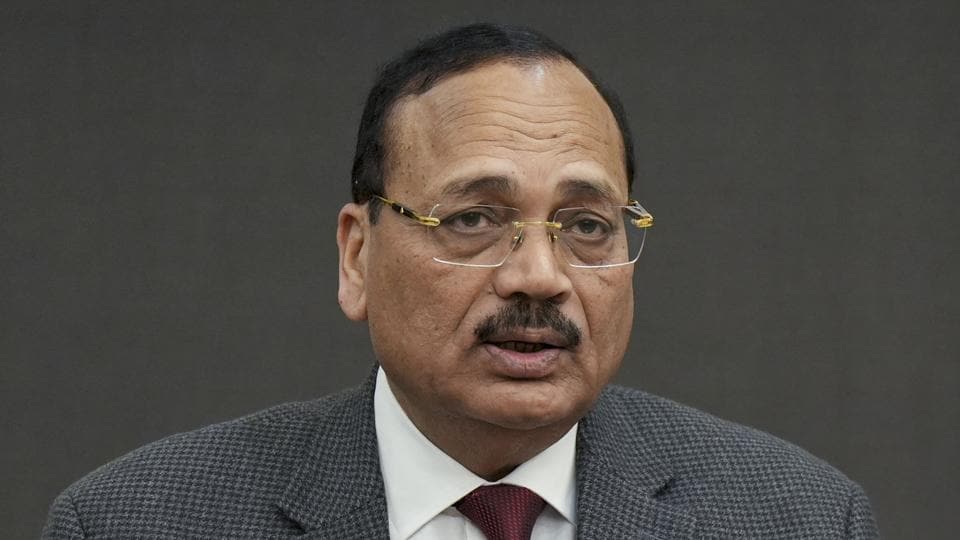
Addressing a group of lawyers gathered in his courtroom seeking urgent dates for their matters, CJI Kant said the era of daily queues for oral mentioning must end. “I had said it sitting in Court No. 2 that unless someone’s liberty is involved or a death sentence is to be executed, I will never allow listing of a case on the same day. This practice has to be discouraged,” he told the Bar.
Also Read | Calling failed relationship rape trivialises offence: SC
All requests for urgent listing must now be routed through a written letter of urgency, he clarified. Such letters, he said, would first be examined by the registrar (judicial administration) before being placed before the CJI for administrative directions. “All of you give a letter of urgency to the registrar. The officer will examine them and bring such requests to the CJI. Wherever there are adequate reasons, cases will be listed immediately,” he added.
Justice Kant said the court’s time should not be consumed by mentioning requests, and that lawyers must adhere to the procedure he spelt out. The direction marks a break from the practice of his immediate predecessor, Justice Bhushan R Gavai, who devoted 10-15 minutes every morning to hearing oral mentions — a system he defended in an interview to HT last week, saying it helped address lawyers’ grievances about delays in listing.
Also Read | Justice Surya Kant takes oath as 53rd Chief Justice of India
Justice Kant has long expressed reservations about same-day listing. In September, he remarked that he would not order such listings “unless someone is about to be hanged,” pointing to the intense workload and sleep deprivation judges face. “Unless someone’s liberty is at stake, we will not list it the same day,” he said on September 24.
Mentioning is a long-standing practice in the Supreme Court, where advocates bring up cases for urgent listing or directions before the day’s regular hearings begin. The process has undergone changes under different CJIs.
On August 6, then-CJI Gavai barred designated senior advocates from mentioning matters before the first court. Some judges, including Justice Vikram Nath, have since begun following the same practice.
Earlier, former CJI Sanjiv Khanna had done away with oral mentioning altogether, directing lawyers to move a letter before the registrar, who would then place it before the CJI during lunch recess. His predecessor, former CJI Dhananjaya Y Chandrachud, had introduced a structured system for urgent listing. The June 2023 circular assured a fast-track process for listing of fresh matters filed in the top court. Matters filed before Tuesday of every week will now get a guaranteed listing on the coming Monday while matters filed later in the week (Wednesday to Friday) will get automatically listed on the coming Friday.
Justice Kant’s first-day directive signals a return to a stricter, procedure-driven system for urgent listing, aimed at reducing morning congestion in the CJI’s court and ensuring that only genuinely urgent matters receive priority.