E-Paper



'One crore Indians... Consequences for economy': What MEA said on Iran-US war
The MEA said that nearly one crore Indian nationals reside and work in the Gulf region, asserting that their safety was the foremost priority.

 Prefer HTon Google


As tensions escalated in the Middle East following US-Israel strikes on Iran and Tehran’s subsequent retaliation, India on Tuesday said that any significant disruption in the Gulf region carries risks for nearly one crore Indians and could have serious consequences for the country’s economy.
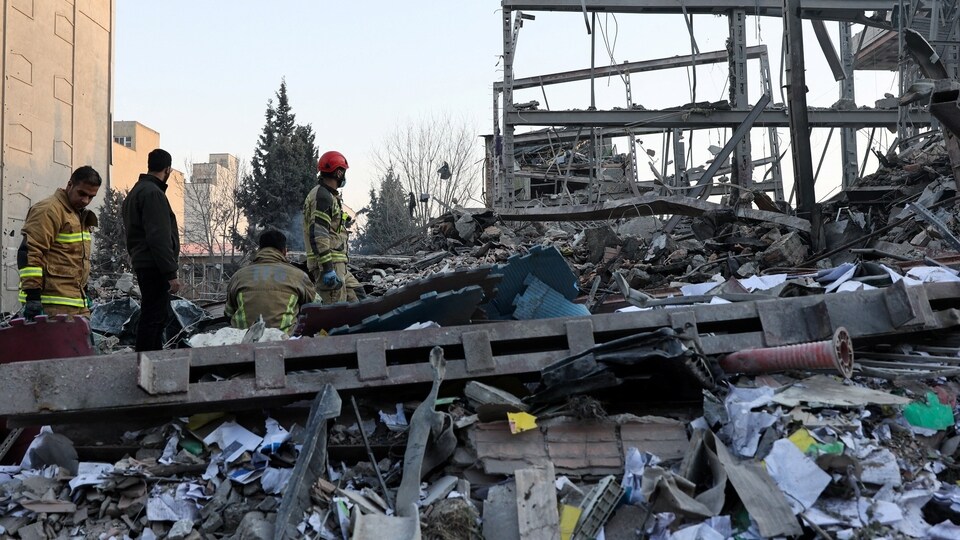
In a detailed statement, the Ministry of External Affairs (MEA) said India had expressed deep concern at the commencement of the conflict in Iran and the Gulf region on February 28, when the strikes were first reported.
“Even at that time, India had urged all sides to exercise restraint, avoid escalation and prioritize the safety of civilians. Unfortunately, in the holy month of Ramadan, the situation in the region has deteriorated significantly and continuously,” it stated.
The Gulf region and wider West Asian region - which currently is burning amid crossfire, constitute one of India's most vital trade corridors, serving as a gateway for energy imports, merchandise trade and maritime connectivity.
Also read| Iran-US war spreading to Middle East evokes 'great anxiety': India
Conflict spreads, anxiety grows
The government noted that in recent days the conflict has intensified. Casualties and destruction have increased, while normal life and business activities in the region have been severely disrupted.
“As a proximate neighbour with critical stakes in the security and stability of the region, these developments evoke great anxiety,” the MEA said.
As a neighbouring country with vital interests tied to the Gulf’s security and stability, India said these developments are a matter of serious concern. The region remains critical for India’s strategic and economic interests.
Economic dimension of crisis
The ministry also highlighted the economic dimension of the crisis. India’s trade routes and energy supply chains pass through the affected geography. It added that any major disruption would have serious consequences for the Indian economy.
India also condemned attacks on merchant shipping, noting that as a country with a significant presence in the global workforce and maritime trade, it firmly opposes such actions.
Call for diplomacy
Against this backdrop, India reiterated its call for dialogue and diplomacy. It said it clearly supports an early end to the conflict. The government also expressed grief over the lives that have already been lost.
“India strongly reiterates its call for dialogue and diplomacy. We raise our voice clearly in favour of an early end to the conflict,” the MEA said.
The MEA said Indian Embassies and Consulates in the affected countries are in constant contact with Indian nationals and community organisations. They are issuing advisories when required and providing assistance to those stranded due to the conflict. The missions will continue to address consular matters proactively.
The government added that it is in touch with countries in the region as well as other key partners.
India said it is closely monitoring the evolving developments and will take necessary decisions in the national interest as the situation unfolds.