E-Paper



One killed as protests in Arunachal turn violent over citizenship to non-tribals
Protesters are opposing the state government move to grant permanent resident certificate (PRC) to six non-tribal communities in Arunachal Pradesh.

 Prefer HTon Google


Protests roiled Arunachal Pradesh on Friday and turned violent in the capital Itanagar following a move by the BJP-led state government to grant permanent resident certificate (PRC) to six non-tribal communities, forcing it late Friday evening to announce that the issue won’t be discussed in the ongoing assembly session.
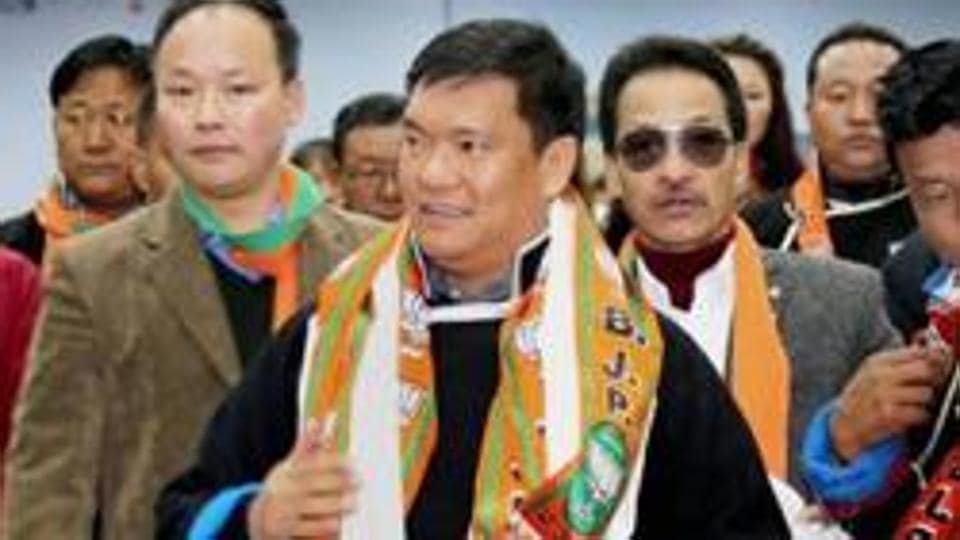
One person was killed allegedly in police firing and dozens of others including policemen injured in capital Itanagar on Friday after protesters tried to march to the Assembly on the second day of a 48-hour strike called by 18 organisations opposing the move.
Following widespread incidents of arson, the government decided put the PRC in cold storage for now. It was to be discussed in the state assembly on Saturday.
The government also ordered telecom service providers to block data network for 24 hours since Friday “to avoid rumour mongering through internet in the interest of public safety”.
Many indigenous groups have been opposing a joint high power committee (JHPC) report which suggested granting of PRC to the six communities, who are not natives of Arunachal Pradesh, but have been residing in Changlang and Namsai districts for several decades.
On Friday, protests in Itanagar turned ugly as protesters blocked roads, damaged vehicles and public property and resorted to stone pelting. Police opened fire, used tear gas shelling and water cannons to control the mob.
“One person was killed, maybe due to police firing or because of firing by protesters. Nearly 50 policemen including officers were injured. The protesters resorted to firing as well,” said M. Harsha Vardhan, superintendent of police of Papum Pare district.
“There were several incidents of arson and violence on Friday night. Situation is much better on Saturday morning. We have deployed additional forces to maintain law and order,” he added.
Unconfirmed reports said that the 18 organisations have extended their strike by another 72 hours. This could not be verified.
“Granting of PRC to the six communities will set a very bad precedent. This is being done by the BJP-led government only for vote bank politics. We protest this move,” said Moli Ango, general secretary of United Arunachal Indigenous Peoples Forum, which is supporting the protests but have not called for strikes.