E-Paper



Over 50 people hospitalised after having contaminated water: Indore residents
Chief medical and health officer Madhav Hasnani said they had not received any information about deaths from hospitals, even as they were informed about a large number of patients


Over 50 people have been hospitalised after having contaminated water in Indore’s Bhagirathpura, residents said, maintaining that three of them died even as the authorities said they have no information about the deaths.
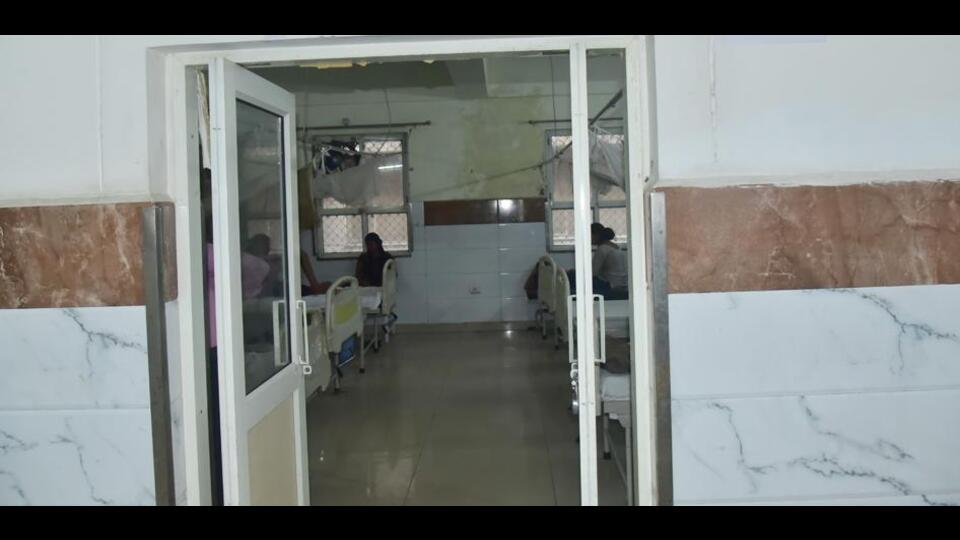
Chief medical and health officer Madhav Hasnani said they had not received any information about deaths from private hospitals, even as they were informed about a large number of patients from a particular area reporting vomiting and diarrhoea. “We swung into action and deployed a health department team in the area.”
Hasnani cited the initial probe and said it suggests the problem may have arisen due to excavation work in a ward and surrounding areas, or contamination in the overhead tank.
Residents said around 150 people have reported symptoms such as vomiting and diarrhoea since Friday, and many of them were admitted to hospitals across the city.
They said one Nandlal Pal, 75, and Manjula, 70, died on Tuesday. Pal was hospitalised on December 28 after falling ill from suspected contaminated water. Doctors maintained that Pal died of cardiac arrest.
Sanjay Yadav, a resident, said his mother, Urmila, died a day after she was hospitalised when she fell sick on Friday. “My son is also admitted to the hospital and receiving intravenous fluids.” Families of three said that contaminated water caused the deaths.
Madhya Pradesh chief minister Mohan Yadav ordered an inquiry and directed officials to ensure adequate medical facilities for the affected residents.
On Monday, state minister Kailash Vijayvargiya visited hospitals and assured that the administration would cover all treatment costs of those hospitalised.
Collector Shivam Verma said that medical and administrative teams were dispatched promptly after complaints surfaced. “The situation is being continuously monitored. The health department has been instructed to regularly review the treatment being provided. A detailed investigation is underway to determine the cause.”